EN
At-home microneedling has gained popularity among consumers seeking effective skin rejuvenation techniques. The quality control measures skin pen at home allows users to perform treatments that stimulate collagen production and improve skin texture. For B2B buyers, such as distributors and purchasing managers, understanding the nuances of selecting the right skin pen needle is crucial. This article will guide you through essential considerations for choosing, evaluating, and managing skin pen devices designed for home use.





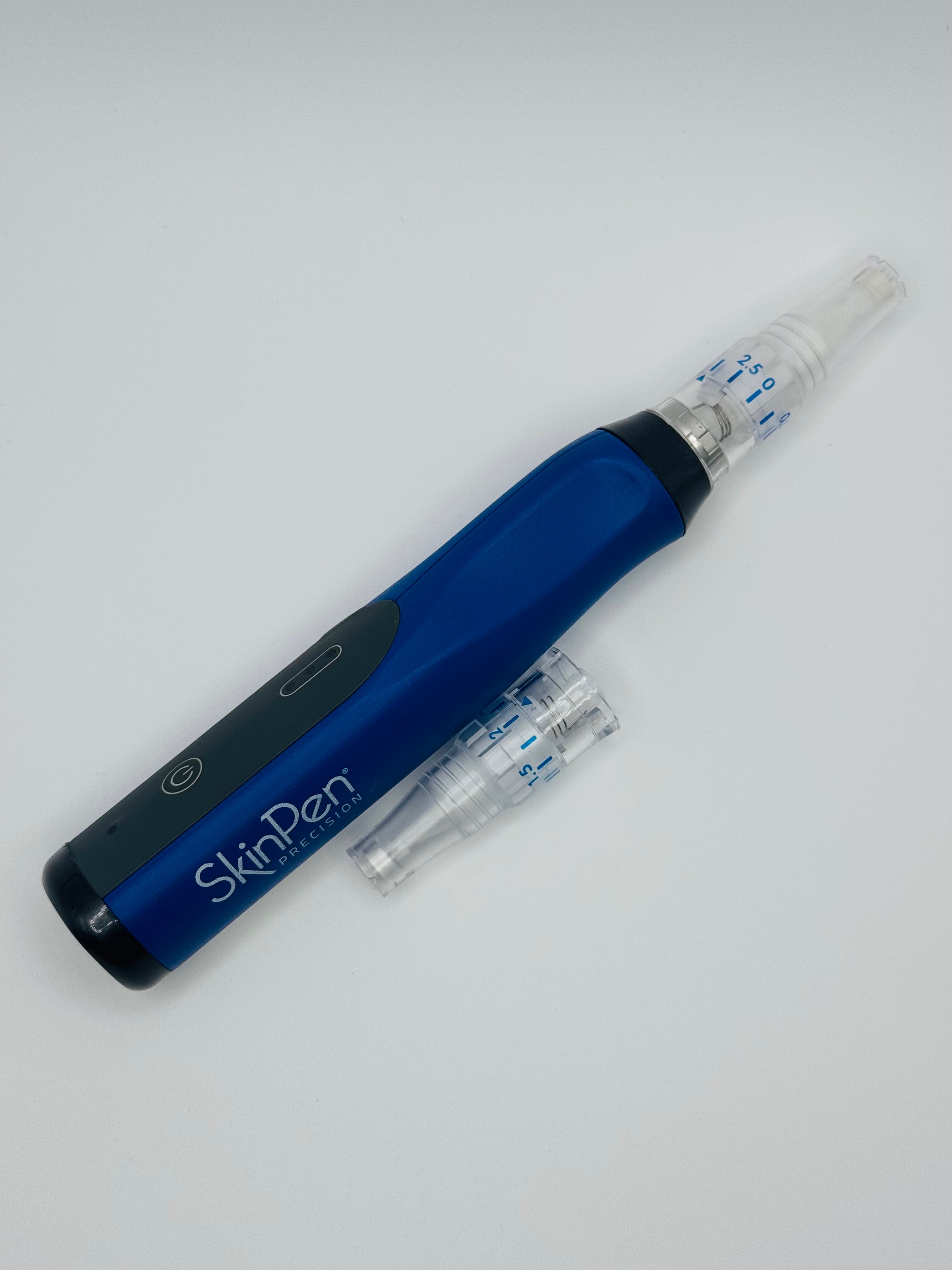
Key Specifications to Evaluate in Skin Pens for Home Treatments
When evaluating skin pens for home use, focus on specific technical specifications that impact performance and user satisfaction. Key specifications include:
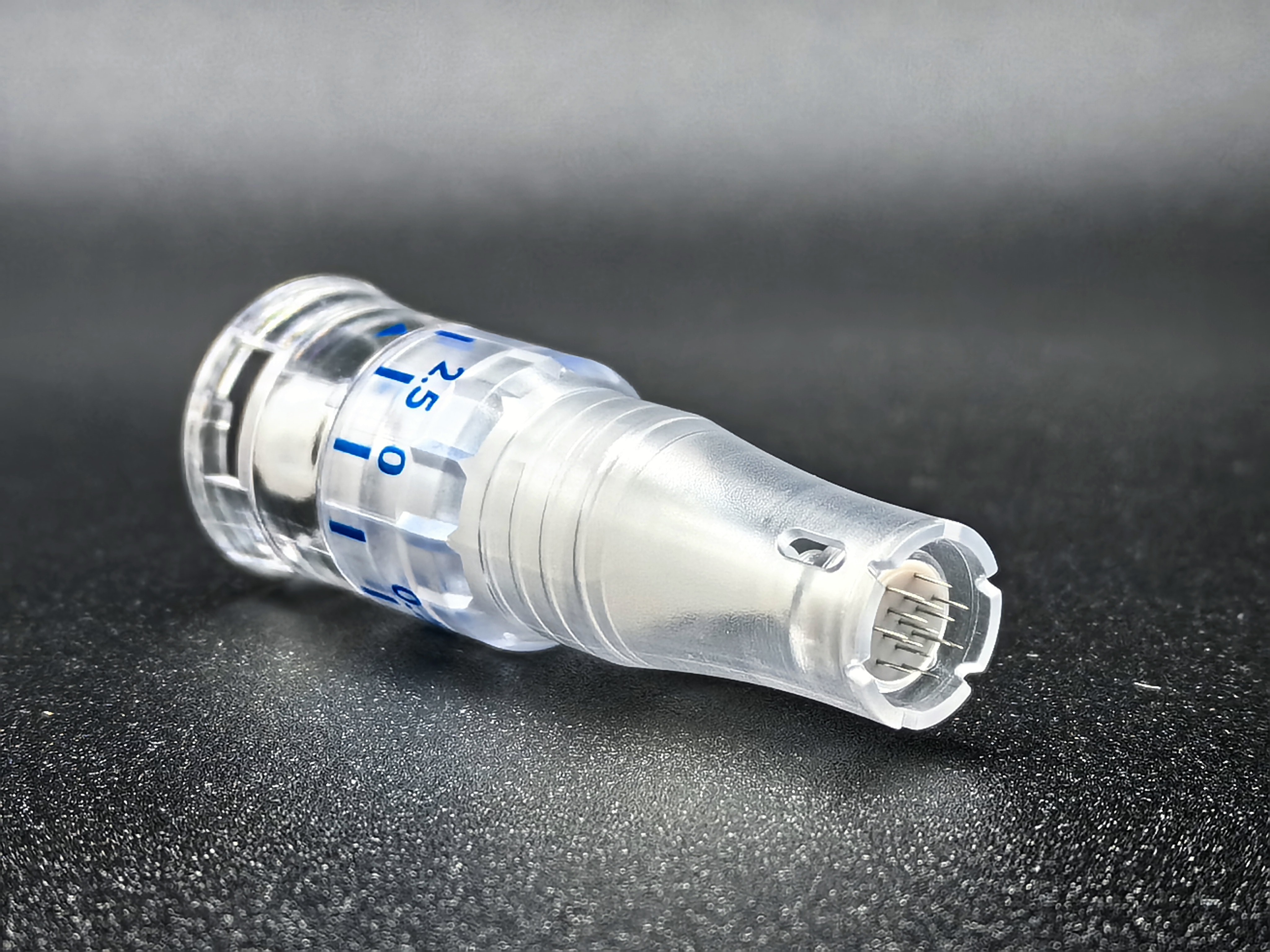
Needle Material: Stainless steel needles are preferred for their durability and effectiveness. Ensure that the needles are medical-grade to prevent skin irritation and promote safe treatments.
Stroke Speed: The ideal stroke speed for an effective skin pen typically ranges from 100 to 150 strokes per second. Higher speeds can enhance treatment efficiency and reduce discomfort, making it essential for user satisfaction.
Needle Configuration: Different skin pen cost may feature varying needle configurations, such as single or multiple needles. Multiple-needle configurations often allow for more extensive coverage and quicker treatments but may require more skill to operate effectively.
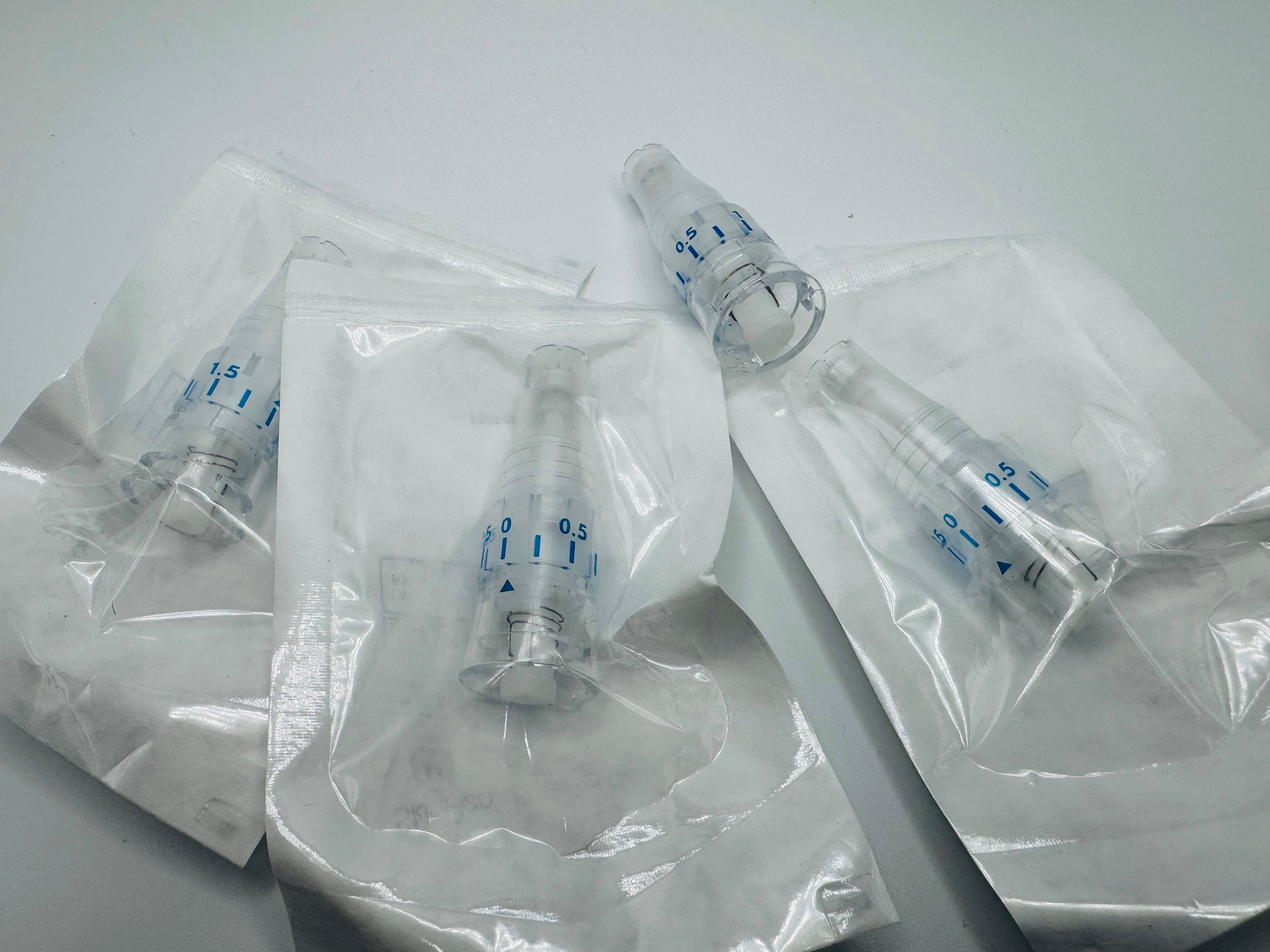
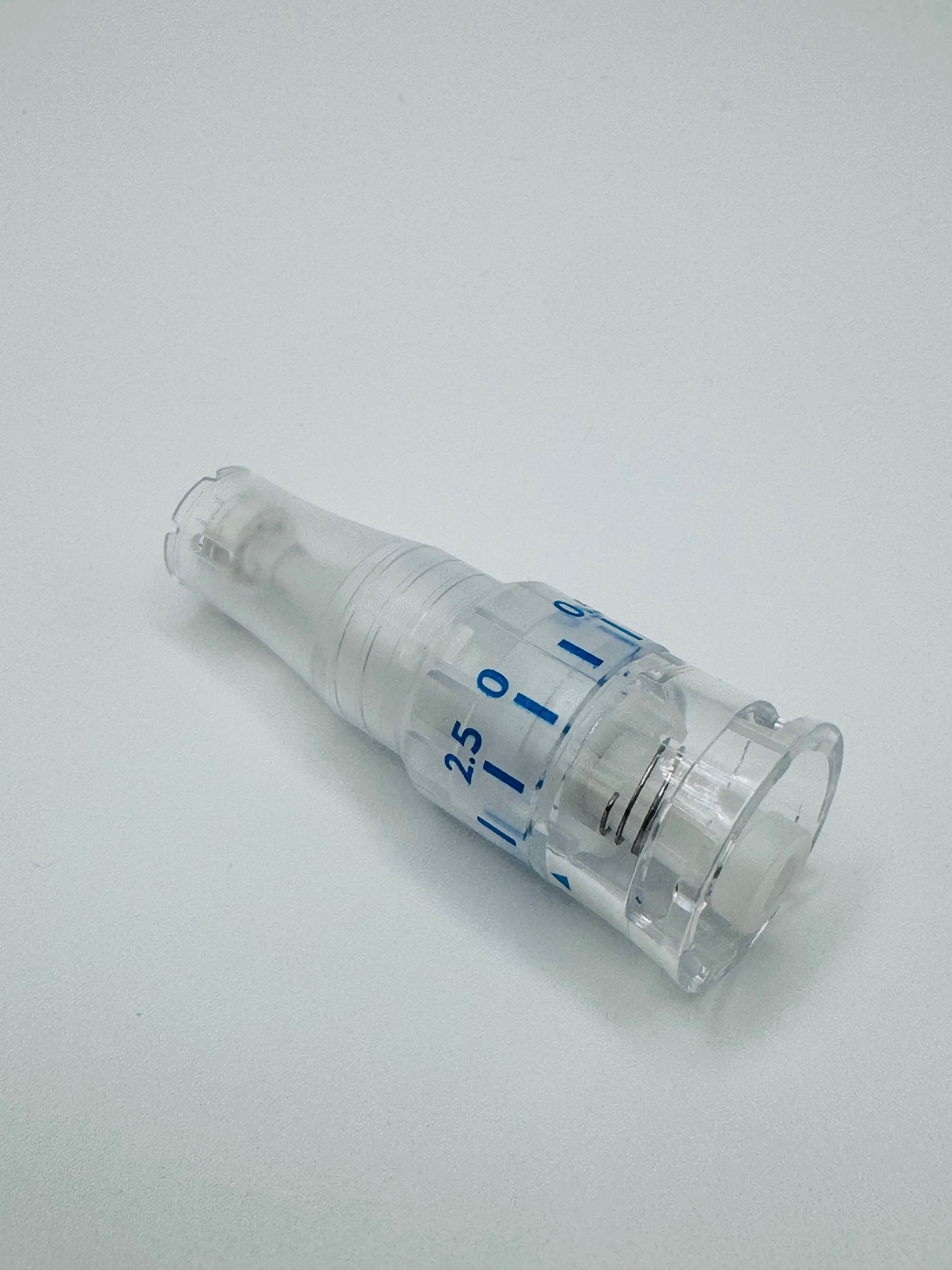
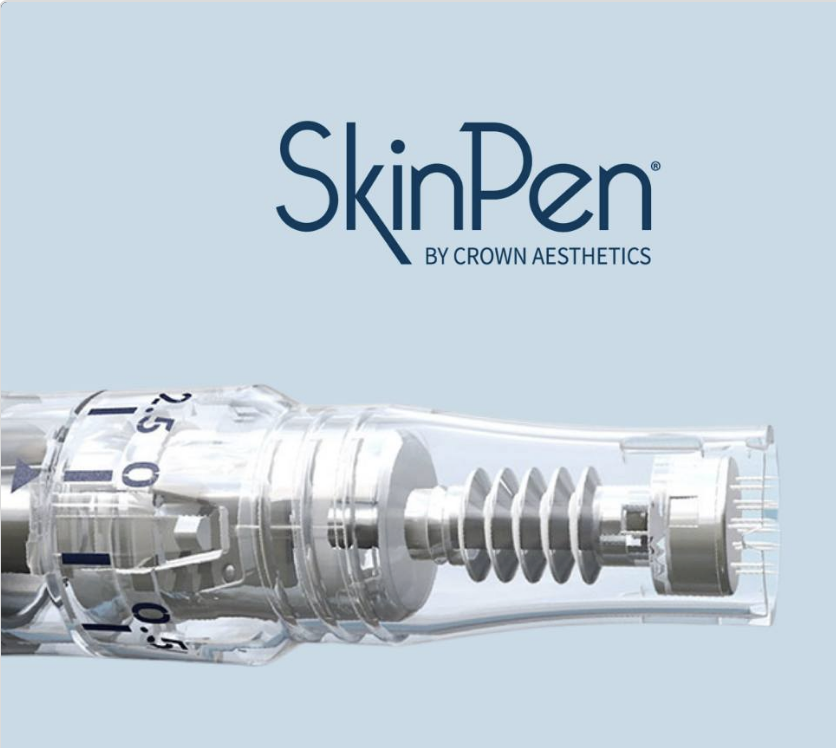
Depth Adjustment: The quality control measures ability to adjust needle depth is crucial for targeting specific skin concerns. Look for pens with adjustable depth settings that allow users to select the appropriate length based on their individual skin needs.
Cartridge Compatibility: Ensure that the skin pen is compatible with various cartridges, especially if you plan to offer a range of treatments. The availability of specialized cartridges can expand treatment options for end-users.