EN
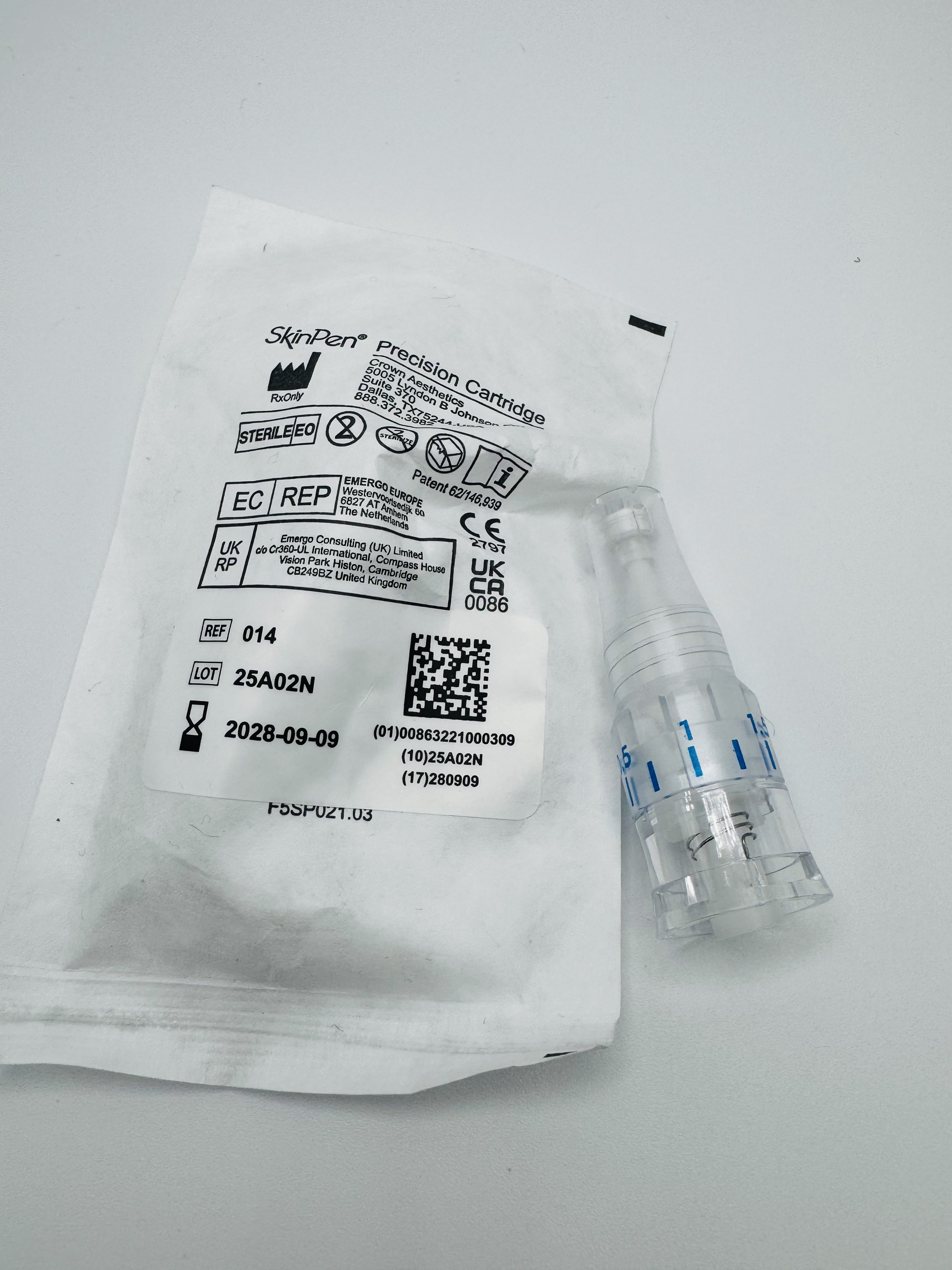
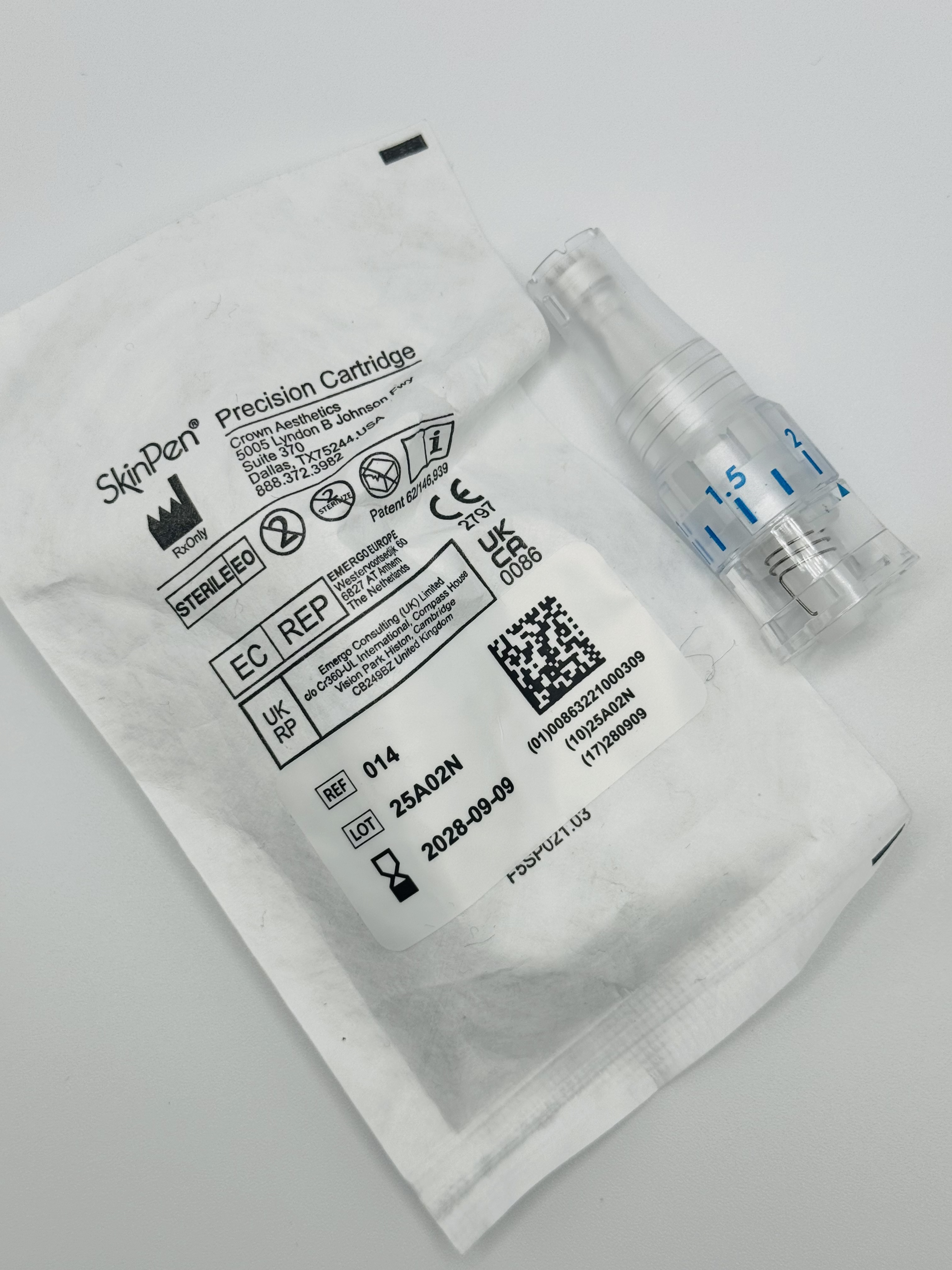
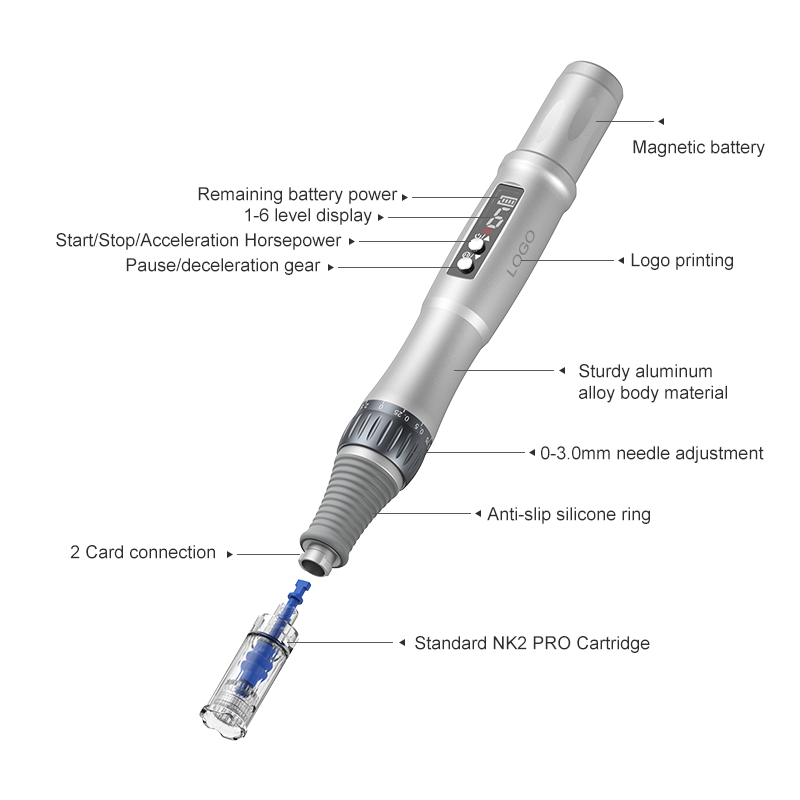
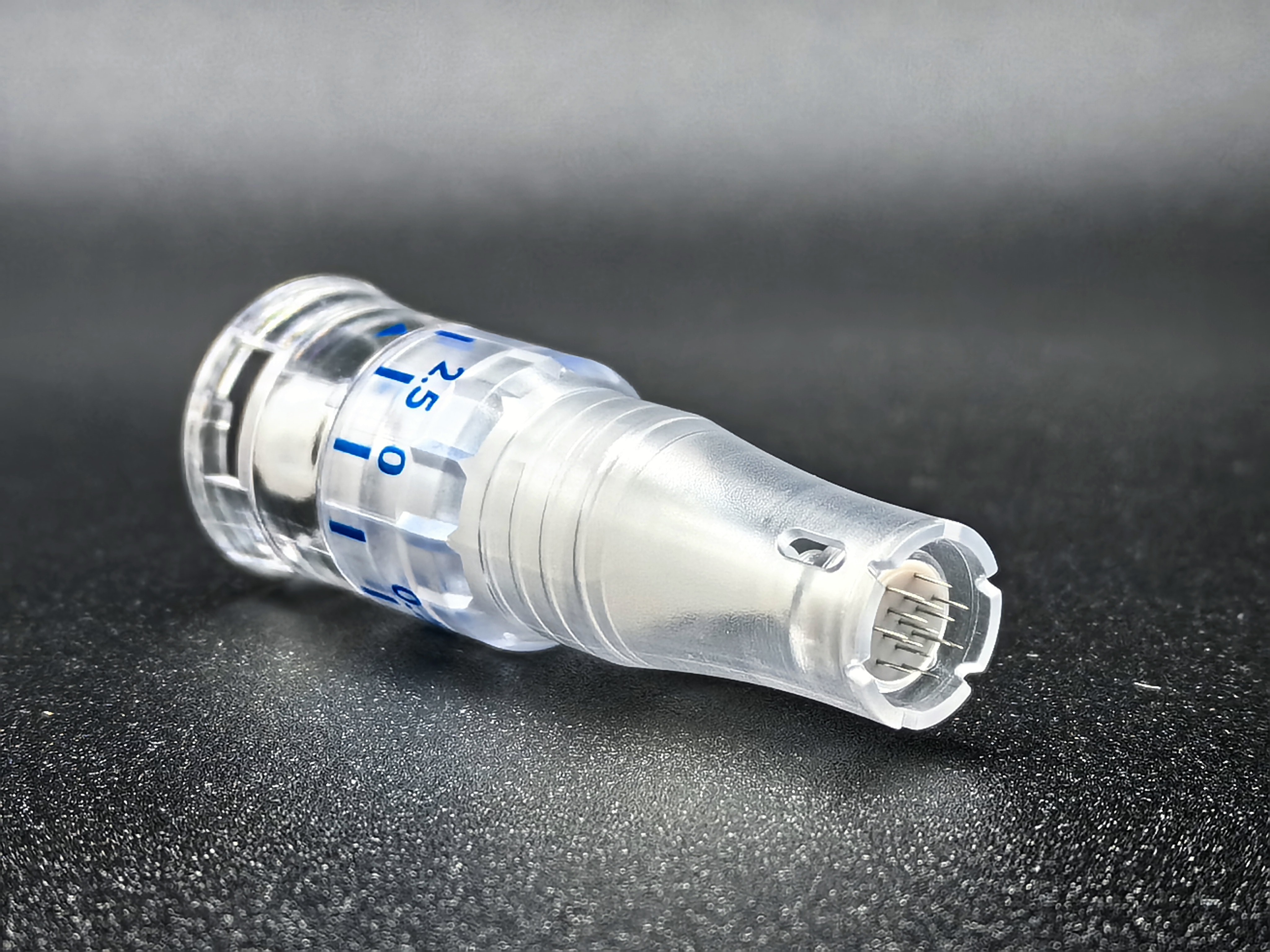
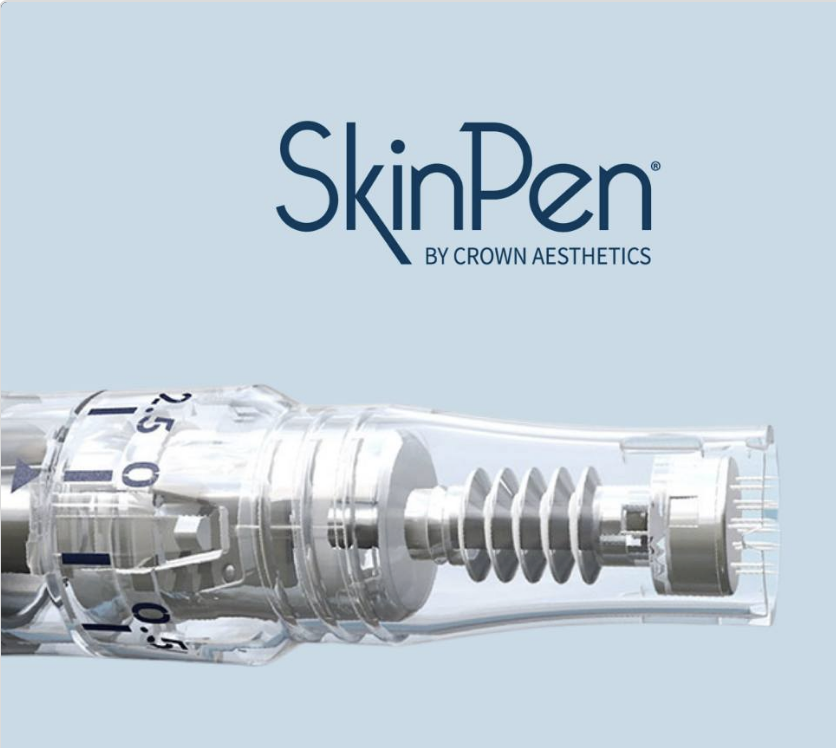
SkinPen needles are essential components in microneedling devices, used in both aesthetic and medical procedures to promote skin rejuvenation and healing. For B2B buyers, such as purchasing managers and distributors, understanding the specifications, quality standards, and applications of SkinPen needles is crucial for making informed purchasing decisions. This microneedling pen article provides an overview of key considerations when sourcing SkinPen needles, helping professionals assess quality, cost factors, and best practices for usage.




Understanding the Quality Control Standards for SkinPen Needles
Quality control is paramount in the production of SkinPen needles. Buyers should be aware of the various standards that govern the manufacturing and testing of these medical devices.
Certifications: Look for manufacturers that hold relevant certifications, such as FDA 510K and ISO 13485. These certifications indicate compliance with international quality management systems and regulatory standards, ensuring that the products meet high safety and performance criteria.
Quality Assurance Processes: A reputable manufacturer will have stringent quality assurance processes in place. This includes regular inspections during the manufacturing process, as well as testing of finished products to verify that they meet specified standards.
Traceability: Manufacturers should provide traceability for their products, allowing buyers to track the origin of materials and the manufacturing process. This microneedling with skinpen is important for compliance and for addressing any potential quality issues that may arise.
Testing Protocols: Inquire about the testing protocols used to assess needle performance and safety. This may include tests for sterility, strength, and functionality to ensure that the needles perform as expected during procedures.
By understanding these quality control standards, buyers can make more informed decisions and select products from trusted manufacturers.