Essential Guide to Sourcing Skin Pens for B2B Buyers

All Categories

Skin pen

Skin pens are advanced micro-needling devices used in various medical and aesthetic applications, known for their ability to rejuvenate skin through controlled micro-injuries. As a B2B buyer, understanding the specifications, skin pen pricing, and reliability of skin pens is essential for making informed purchasing decisions. This article will guide you through key aspects to consider when sourcing skin pen precision, ensuring that you choose high-quality products that meet your needs. 
Our Products

Understanding Skin Pen Pricing for Bulk Orders

Understanding Skin Pen Pricing for Bulk Orders

Pricing for skin pens can vary significantly based on several factors, especially when purchasing in bulk. Here are key considerations that influence cost: 

Volume Discounts: Many manufacturers, including Guangzhou Medi Technology Co., Ltd., offer tiered pricing based on order quantity. Larger orders typically come with lower per-unit costs, making it more cost-effective to purchase in bulk. 

Customization Options: Customization requests, such as branding or specific packaging requirements, can impact the overall price. It's essential to clarify any customization needs upfront to receive accurate quotes. 

Shipping and Handling: Shipping costs can vary based on the delivery location and urgency. International shipping may involve additional duties and taxes, so it’s advisable to consider these factors when calculating the total cost. 

Lead Time: The time required for production and delivery can affect pricing. Rush orders may incur additional fees, so discussing expected lead times during the negotiation phase is crucial. 

Quality Assurance Costs: Ensure that the pricing includes provisions for quality control and testing. Products that meet stringent quality standards may come at a premium but can save costs related to returns or poor patient outcomes down the line. 

By understanding these pricing factors, you can prepare for negotiations and ensure that your bulk order aligns with your budget while maintaining quality expectations. 
Why Trust Matters in Skin Pen Sourcing

Why Trust Matters in Skin Pen Sourcing

Trust is a critical element when sourcing skin pens, particularly in the B2B marketplace where product reliability and safety are paramount. Here are several reasons why trust matters: 

Reputation of the Manufacturer: Partnering with a reputable manufacturer, such as Guangzhou Medi Technology Co., Ltd., which has over 15 years of experience and recognized certifications, can provide confidence in the quality and performance of the products. 

Product Reliability: When you trust the source of your skin pens, you're more likely to receive consistent product quality. Reliable manufacturers invest in quality control processes that minimize defects and ensure that each device meets industry standards. 

Transparency in Communication: Trustworthy suppliers are transparent about their production processes, materials used, and potential challenges. This transparency allows purchasing managers to make informed decisions and reduces the likelihood of misunderstandings. 

After-Sales Support: A trusted supplier will often provide ongoing support, including installation guidance, troubleshooting, and warranty services. This support is invaluable, particularly for complex medical devices like the skinpen. 

Long-term Partnerships: Building trust can lead to long-term relationships with suppliers, which often results in better pricing, service, and product innovations as the supplier understands your evolving needs. 

Evaluating a supplier’s trustworthiness through their history, customer testimonials, and certification status is essential for making a confident purchasing decision. 

Installation Guidance for Optimal Use of Skin Pens

Installation Guidance for Optimal Use of Skin Pens

Proper installation and usage of skin pens are crucial for achieving the desired results and ensuring patient safety. Here are essential guidelines: 

Read the User Manual: Always start with the user manual provided by the manufacturer. This document will contain specific instructions on assembly, operation, and safety precautions. 

Prepare the Treatment Area: Ensure that the treatment area is clean and sterile. This includes sanitizing the skin and using appropriate personal protective equipment (PPE) for practitioners. 

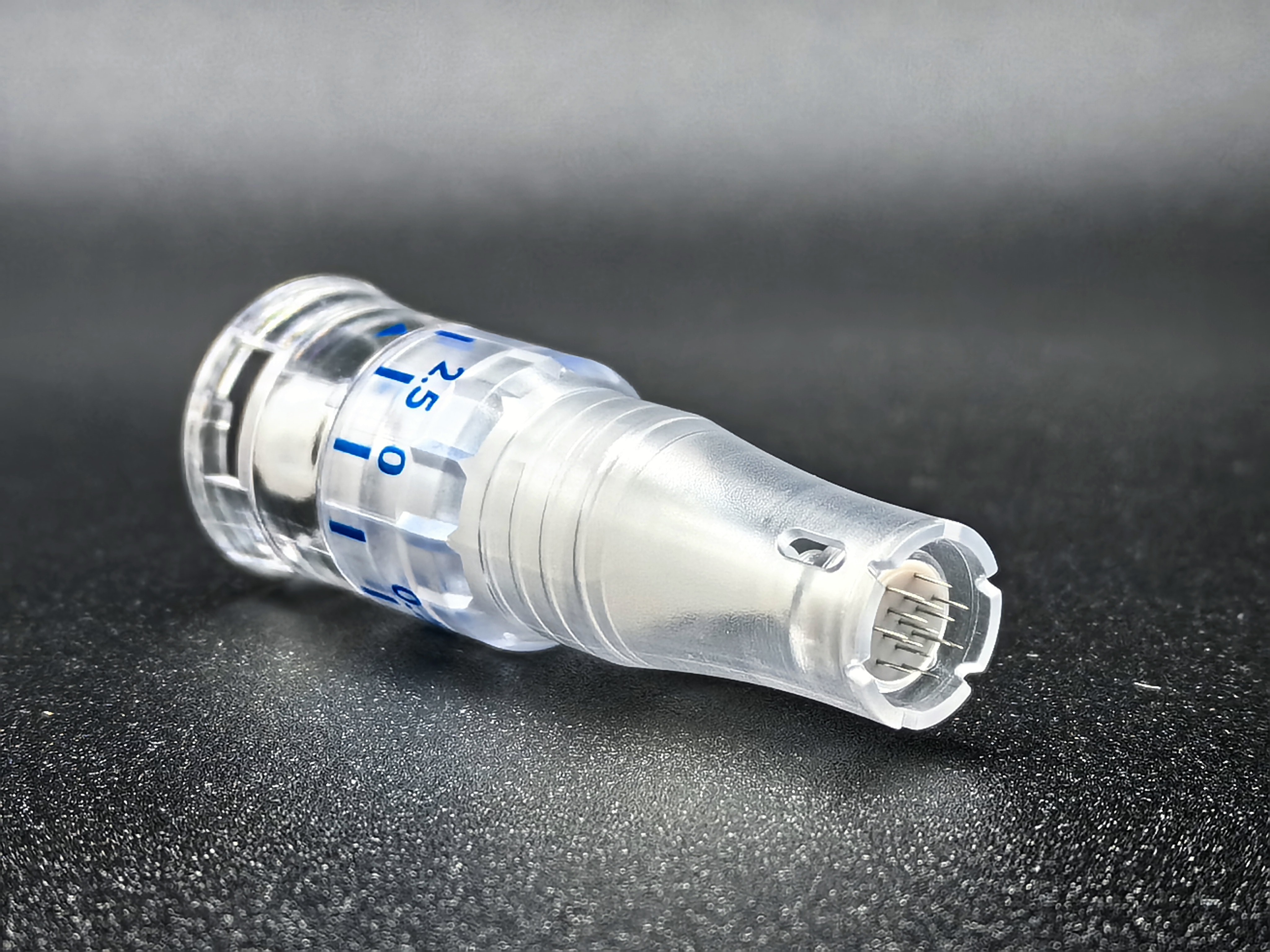
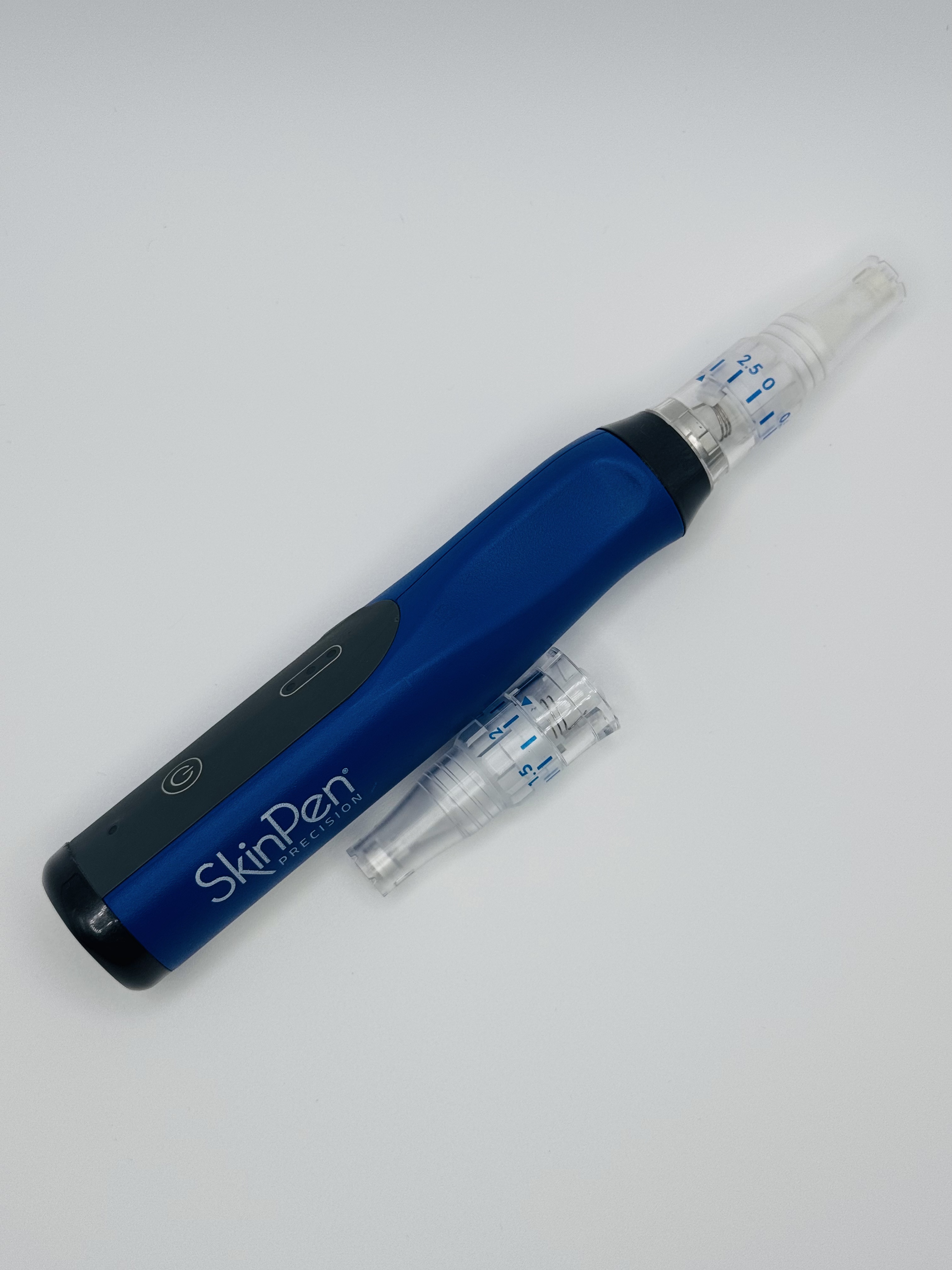
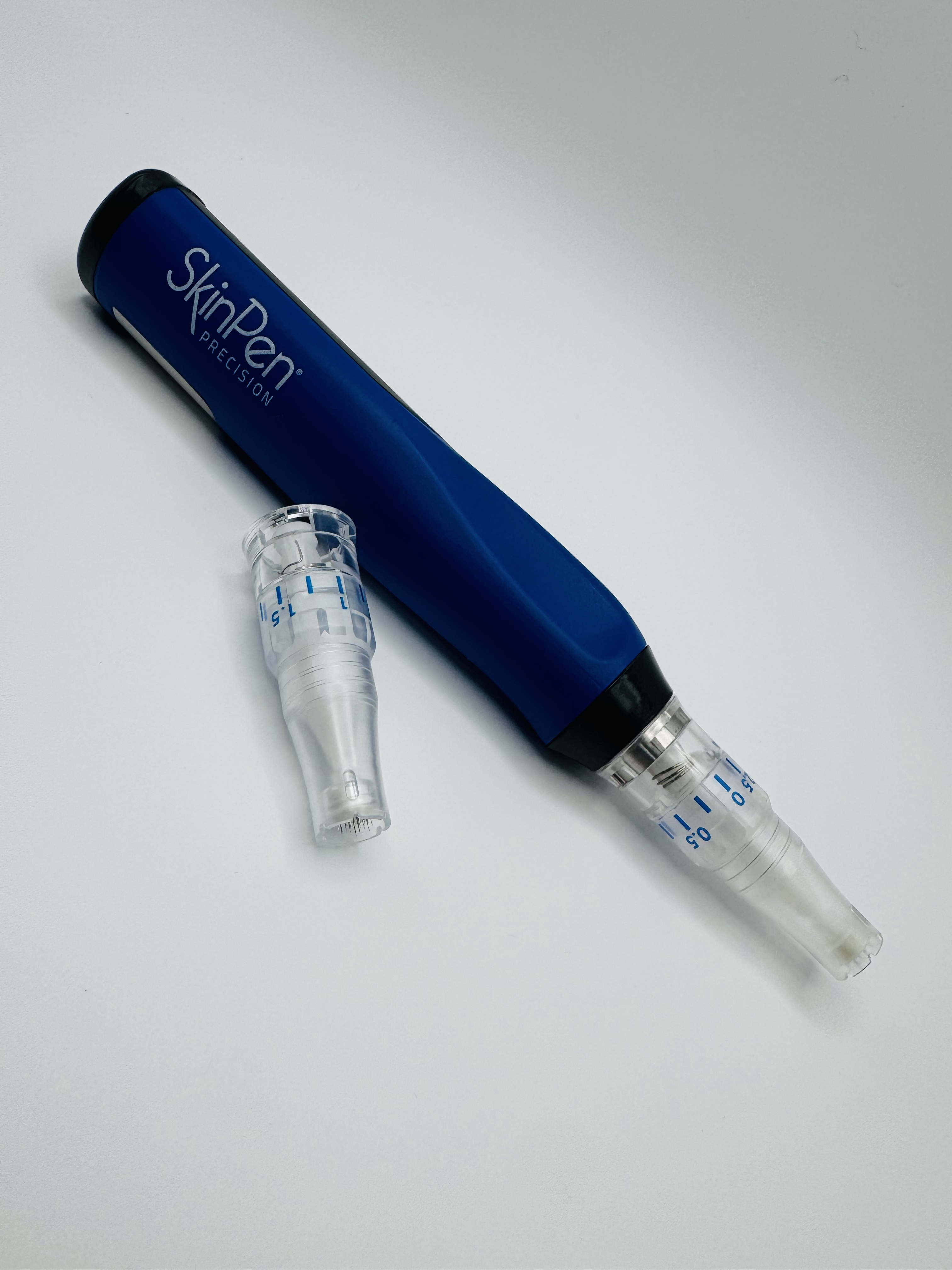
Cartridge Installation: Follow the manufacturer’s instructions for installing the microneedling cartridge correctly. This typically involves securely attaching the cartridge to the device to prevent leaks or detachment during use. 

Adjust Settings: Before beginning treatment, adjust the device settings according to the patient’s skin type and treatment goals. Testing on a small area is advisable to assess the device's performance. 

Post-Use Cleaning: After each use, clean the device thoroughly as per the manufacturer's guidelines. Proper maintenance will prolong the lifespan of the skin pen and ensure hygiene for subsequent treatments. 

Following these installation and usage guidelines will optimize the performance of skin pens and enhance treatment outcomes for patients. 

Applications of Skin Pens in Various Industries and Projects

Skin pens have versatile applications across different industries, including: 

Medical Aesthetics: In cosmetic dermatology, skin pens are used for skin rejuvenation, scar treatment, and wrinkle reduction. They promote collagen production, thereby improving skin texture and elasticity. 

Dermatology: Dermatologists utilize skin pens for treating acne scars, stretch marks, and other skin imperfections. The precision of micro-needling allows for targeted treatments with minimal downtime. 

Trichology: In hair restoration, skin pens are employed to enhance follicle stimulation and improve scalp health. This application can aid in addressing hair thinning and hair loss. 

Clinical Research: Skin pens are also used in clinical trials to study the effects of micro-needling on various skin conditions. Their ability to deliver controlled micro-injuries makes them valuable in research environments. 

Veterinary Medicine: Emerging applications in veterinary practices are being explored, where skin pens may be used for similar skin treatments in animals, demonstrating their broad applicability beyond human aesthetics. 

Understanding these applications can help buyers identify the best skin pen medical-grade solutions for their specific industry needs, enhancing the value of their investment. 

By considering the specifications, pricing factors, trustworthiness of suppliers, installation guidelines, and diverse applications of skin pens, B2B buyers can make informed decisions that align with their operational and patient care goals. 

Key Specifications to Consider When Sourcing Skin Pens

When sourcing skin pens, several critical specifications should be evaluated to ensure the product meets your professional requirements. Key considerations include: 

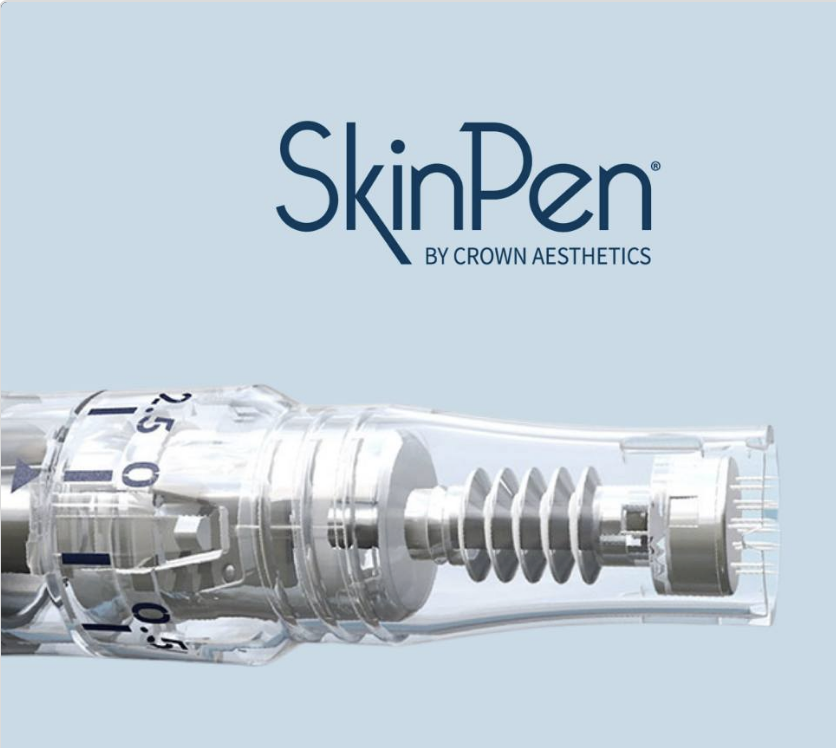
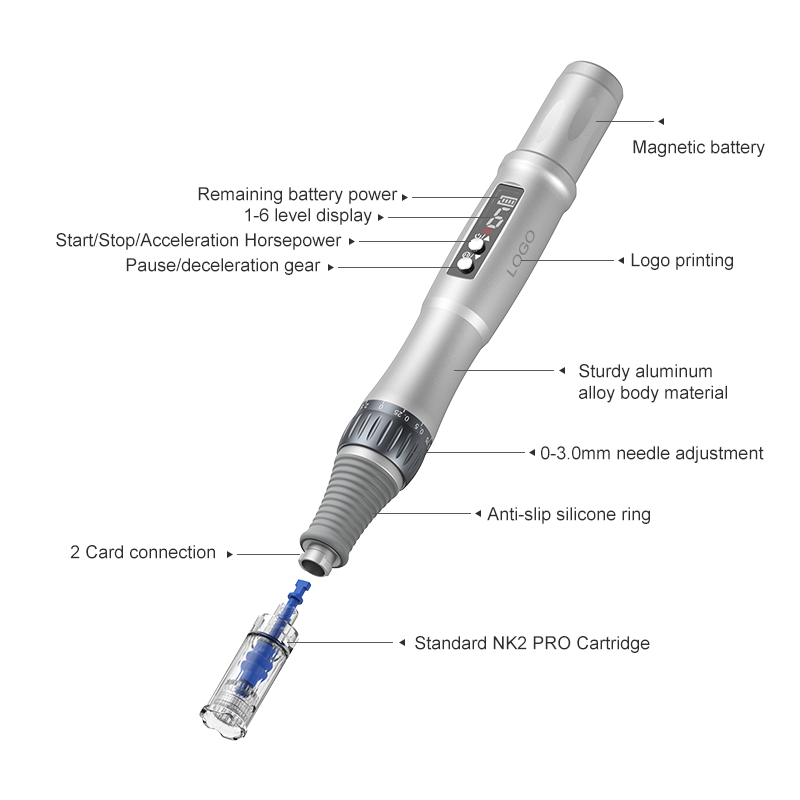
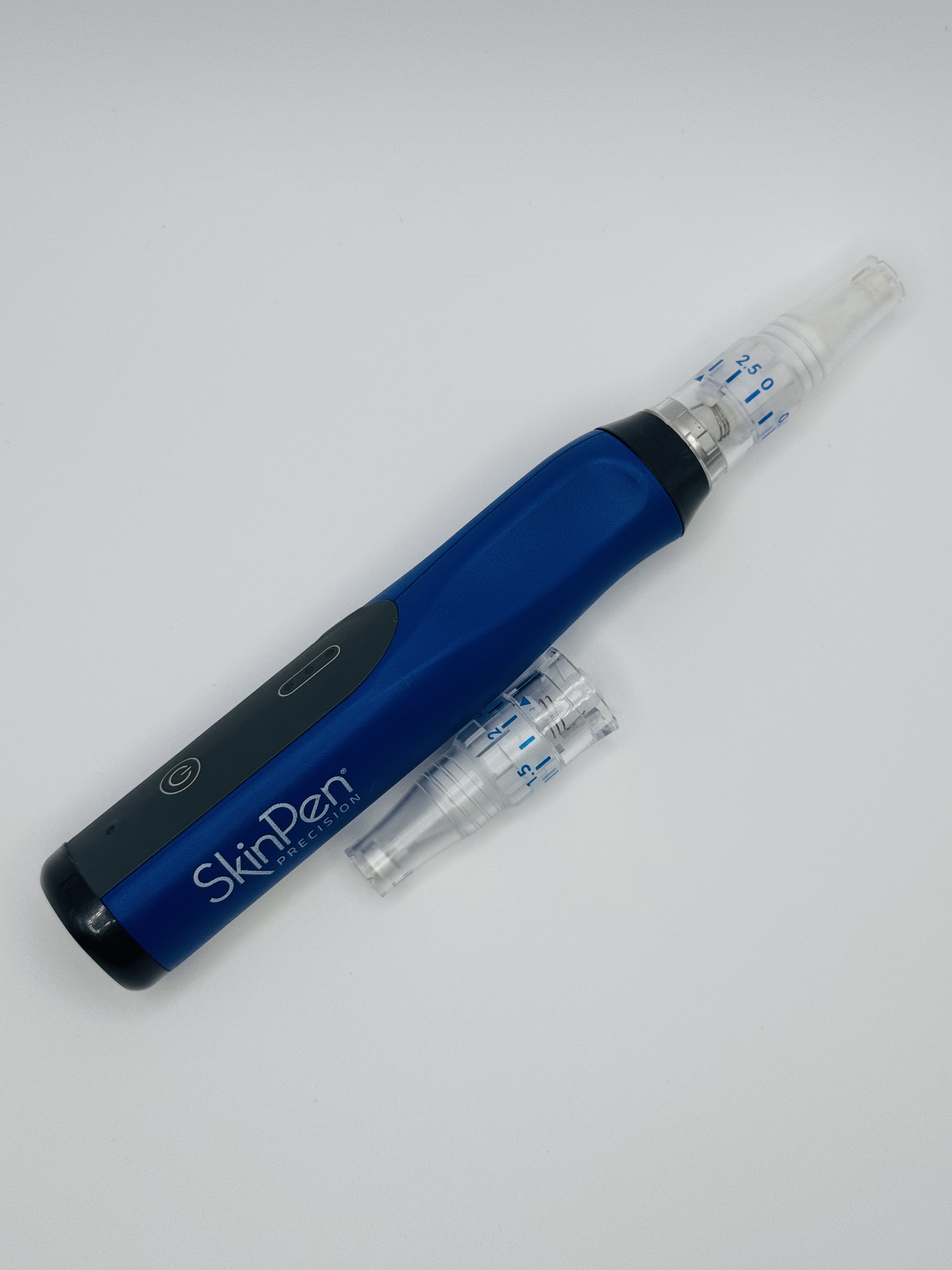
Needle Depth and Configuration: The ability to adjust needle depth is crucial, as it affects the level of skin penetration and treatment efficacy. Skin pens typically offer variable depths, allowing for customization based on the treatment area and skin type. 

Material Quality: The materials used in the construction of the skin pen are vital for both safety and performance. Look for medical-grade stainless steel or titanium needles, which are known for their durability and minimal risk of contamination. 

Power Source and Settings: Consider whether the skin pen for sale is battery-operated or corded, as this can affect its usability in clinical settings. Variable speed and intensity settings are also important for tailoring treatments to individual patient needs. 

Cartridge Compatibility: Ensure that the skin pen is compatible with a variety of microneedling cartridges, as this allows for flexibility in treatments. Compatibility with RF cartridges can also enhance the device's effectiveness. 

Certifications and Compliance: Look for products that comply with industry standards, such as FDA 510K, MDSAP, and ISO 13485 certifications. These certifications indicate that the product has been tested for safety and efficacy, providing assurance to your patients. 

Understanding these specifications will help you evaluate the suitability of skin pens for your specific applications, whether in medical, aesthetic, or therapeutic settings. 

Get a Free Quote

Our representative will contact you soon.
Email
Mobile/WhatsApp
Name
Company Name
Message
0/1000