Choosing the Right Skin Pen for Aesthetic Applications

All Categories

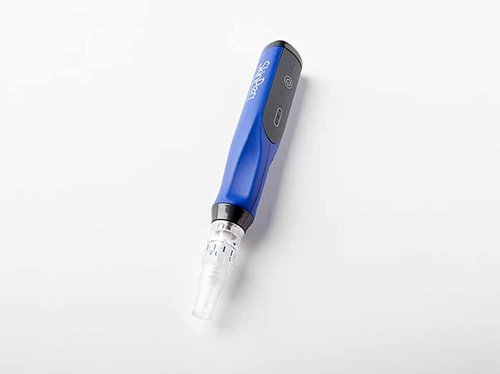
The skin pen

The skin pen is a specialized device used in microneedling procedures, designed to enhance skin rejuvenation and improve overall texture. For businesses in the aesthetic and dermatological fields, selecting the right skin pen is crucial. Buyers often seek devices that are reliable, effective, and compliant with health regulations. This article provides insights into important considerations when choosing a skin pen, evaluating reliable suppliers, ensuring quality, addressing common issues, and best practices for contractors. 
Our Products

Evaluating Skin Pen Manufacturers and Brands

Evaluating Skin Pen Manufacturers and Brands

Evaluating potential skin pen manufacturers involves assessing their experience, production capabilities, and quality assurance processes. Start by examining the manufacturer's track record: companies like Guangzhou Medi Technology Co., Ltd., with over 15 years of experience in R&D and production, are often more reliable due to their established history in the industry. 

Inquire about their manufacturing capabilities, such as the technology used in their production processes and the equipment they utilize. Advanced machinery and techniques can enhance product consistency and quality. Additionally, ask about their ability to handle custom orders, as this can be crucial for businesses looking to differentiate their offerings. 

Quality control is another critical aspect. A reputable manufacturer should have robust quality control processes in place, including regular testing of their products and compliance checks against international standards. This ensures that the skin pen treatments meet the required performance levels and are free from defects. 

Lastly, consider long-term partnerships with established brands. A manufacturer that collaborates with recognized names, such as Scarlet RF and INMODE Morpheus8, indicates that they produce high-quality, reliable products that meet the demands of the market. 
Ensuring Quality and Performance

Ensuring Quality and Performance

Quality assurance is essential when sourcing a skin pen. Begin by requesting product samples to evaluate their performance directly. During testing, pay attention to the device's operation, needle stability, and ease of use. Effective microneedling should provide a smooth experience, and any irregularities could indicate quality issues. 

Additionally, verify the manufacturer's certifications. Look for compliance with ISO 13485, which pertains to quality management systems for medical devices. This certification signifies that the manufacturer maintains stringent quality controls throughout the production process. 

Review any available product data sheets or performance reports. These documents should detail the specifications, expected performance metrics, and any clinical data supporting the device's efficacy. Notably, performance metrics such as needle depth accuracy, treatment speed, and patient feedback can help assess the product's suitability for your business. 

Finally, establish a dialogue with the manufacturer about their warranty and after-sales support. A solid warranty and responsive customer service can safeguard your investment and provide assurance when issues arise. 

Common Problems with Skin Pens and Effective Solutions for Buyers

Common Problems with Skin Pens and Effective Solutions for Buyers

While skin pens are generally reliable, buyers should be aware of common issues that can occur. One frequent problem is inconsistent needle performance, which can arise from manufacturing defects or improper handling. To mitigate this risk, always conduct thorough inspections of the devices upon receipt and maintain proper storage conditions. 

Another concern is the potential for skin irritation or adverse reactions. It's essential to ensure that the skin pen's materials are hypoallergenic and that they comply with medical-grade standards. To avoid complications, always follow the manufacturer's guidelines for use and provide adequate training for practitioners. 

If problems arise during treatments, such as excessive pain or bleeding, buyers should have a clear protocol for addressing these issues. This may involve consulting with the manufacturer for troubleshooting advice or returning defective units for evaluation. 

Finally, to enhance client satisfaction and reduce the likelihood of issues, consider implementing a patient follow-up system. This can help gather feedback on treatment outcomes, allowing you to address any concerns promptly and improve overall service quality. 

Best Practices for Contractors

For contractors working with skin pens, adhering to best practices is crucial for ensuring successful outcomes. Begin by familiarizing yourself with the specific procedures associated with the skin pen you are using. This includes understanding the recommended treatment protocols, such as the number of passes and post-treatment care. 

Training is essential. Ensure that all practitioners are adequately trained not only in using the skin pen but also in recognizing and managing potential complications. Regular training sessions can help maintain high standards of care and improve practitioner confidence. 

Additionally, keep detailed records of each treatment session, including patient feedback and any complications encountered. This data can be invaluable for assessing treatment efficacy and refining techniques over time. 

Finally, establish a good relationship with your supplier. Open lines of communication can facilitate swift resolutions to any issues that arise and help you stay informed about new developments or improvements in skin pen technology. 

In summary, choosing the right skin pen involves careful consideration of specifications, manufacturer reliability, quality assurance, and best practices in application. By focusing on these areas, businesses can ensure effective treatments that meet the needs of their clients while maintaining high standards of safety and performance. 

What to Consider When Choosing a Skin Pen for Your Business

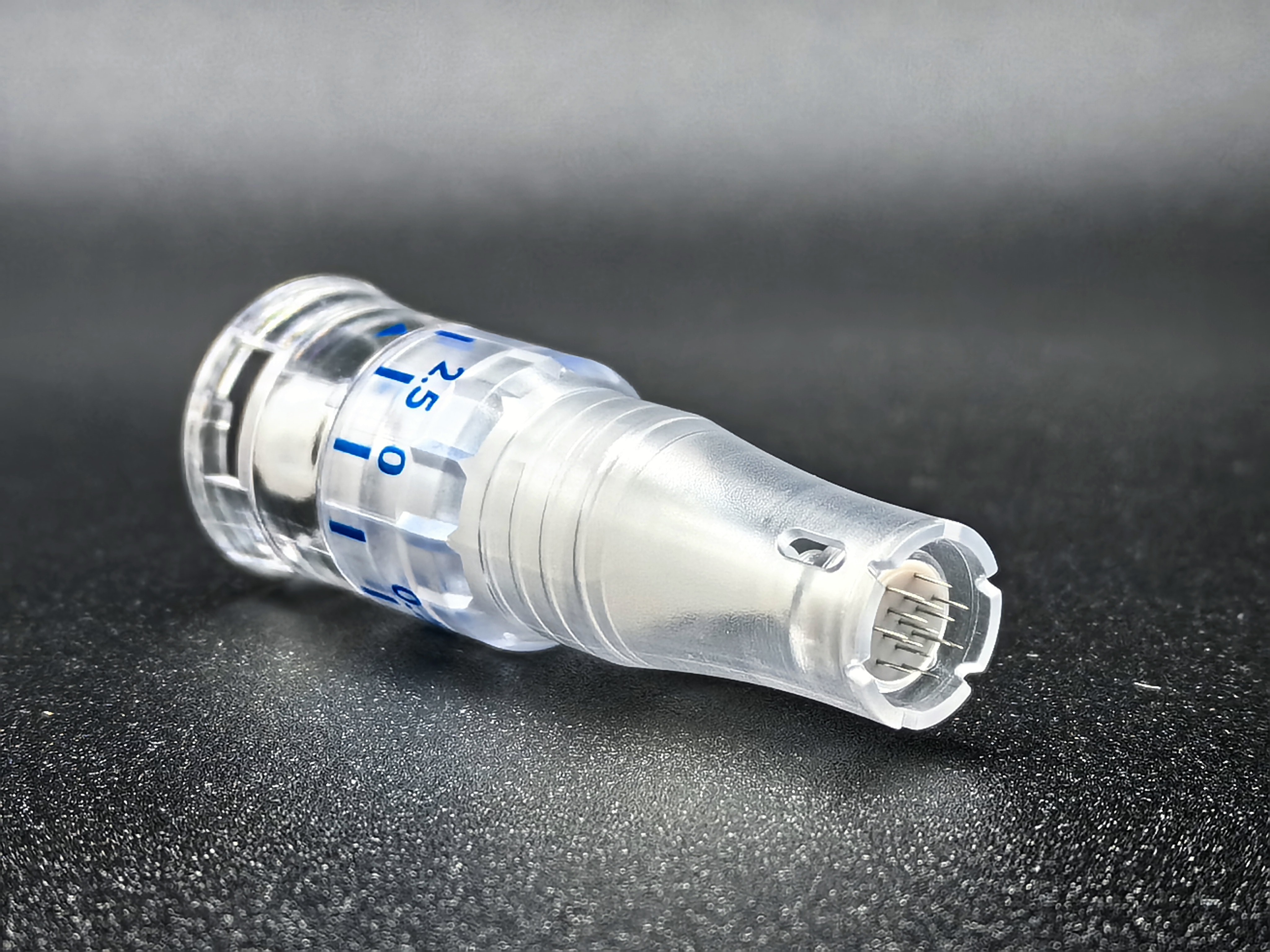
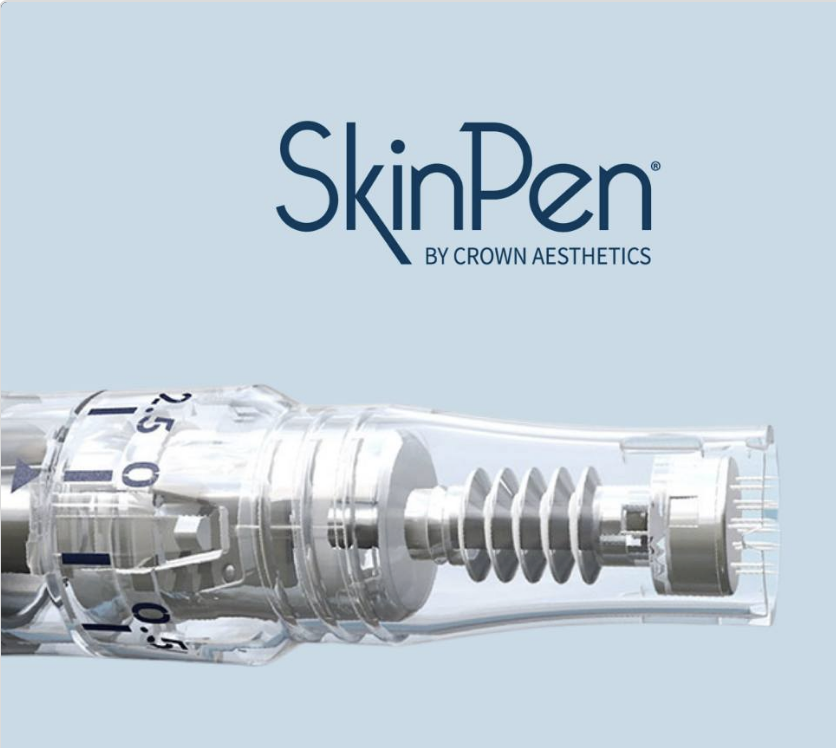
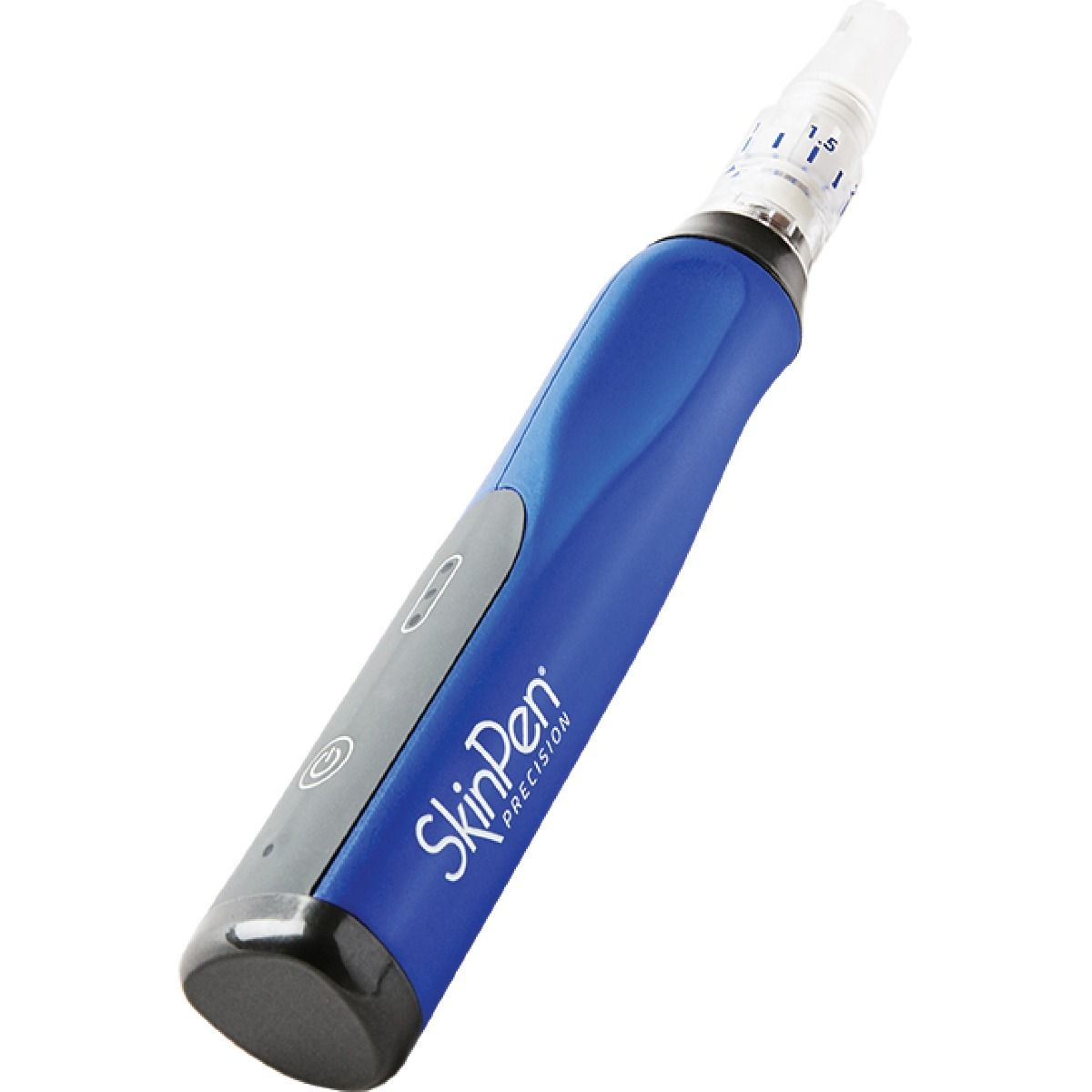
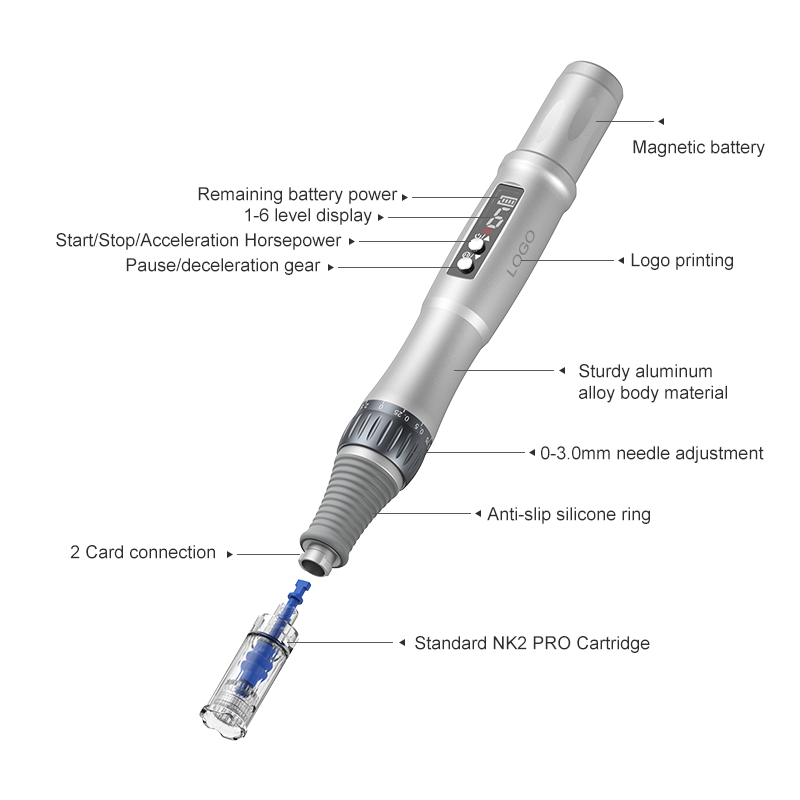
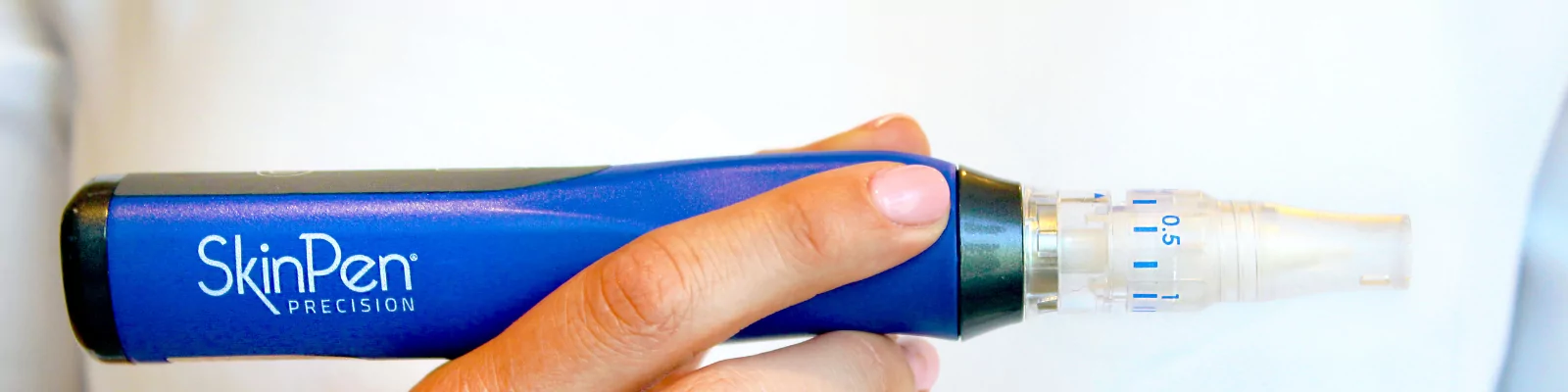
When selecting a skin pen, several key factors should be taken into account. Firstly, consider the device's specifications, including needle depth and speed settings. These factors significantly impact the treatment's effectiveness and patient comfort. For example, a skin pen precision with adjustable needle depths allows practitioners to tailor treatments for various skin concerns, such as acne scars or fine lines. 

Secondly, the material used in the microneedles is vital. Medical-grade stainless steel or titanium is preferred for their durability and biocompatibility. Ensure that the pen is easy to sterilize, as hygiene is paramount in any medical or aesthetic procedure. 

Thirdly, confirm the device's compatibility with RF cartridges, which can enhance treatment effectiveness. A skin pen that works seamlessly with RF technology can provide additional benefits, such as improved collagen production. 

Finally, consider the manufacturer's reputation and certifications. A skin pen from a company with FDA 510K, MDSAP, and ISO 13485 certifications ensures that it meets rigorous safety and quality standards, giving your business and its clients peace of mind. 

Get a Free Quote

Our representative will contact you soon.
Email
Mobile/WhatsApp
Name
Company Name
Message
0/1000