Understanding Skin Pen Microneedling Price and Options

All Categories

Skin pen microneedling price

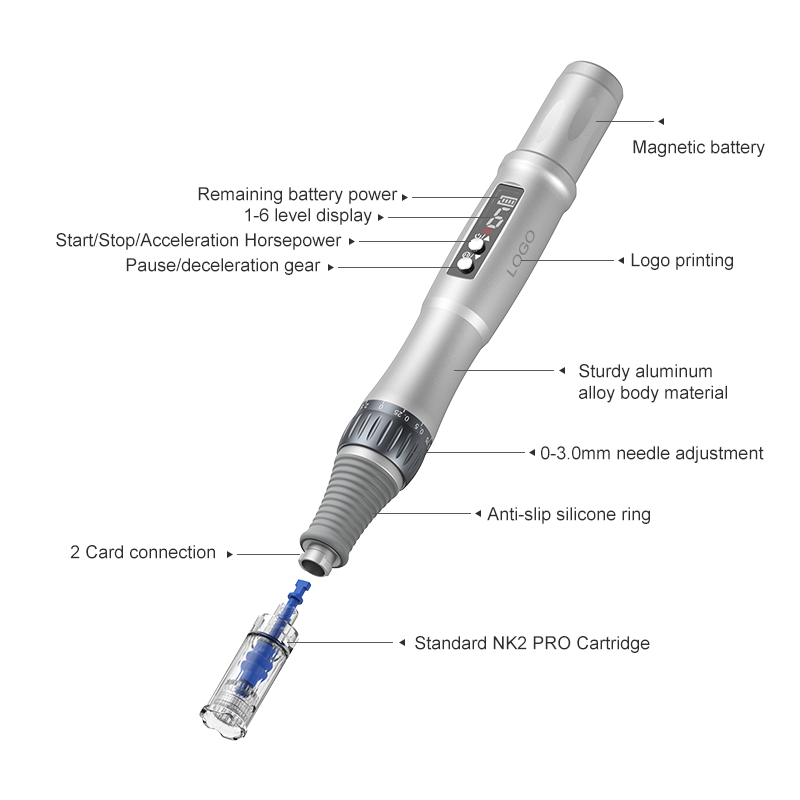
Microneedling has gained significant traction in the beauty and medical industries for its ability to rejuvenate skin and promote collagen production. As a result, many businesses are exploring the investment in skin pen microneedling devices. Understanding the skin pen microneedling price is essential for purchasing managers, distributors, and other professionals who need to evaluate the cost-effectiveness and return on investment of these devices. This article will provide a comprehensive overview of Medi microneedling devices, including specifications, wholesale options, cost factors, common issues, and applications across industries.
Our Products

Wholesale Options for Skin Pen Microneedling Devices Explained

Wholesale Options for Skin Pen Microneedling Devices Explained

For purchasing managers and distributors, exploring wholesale options can significantly reduce costs. When considering bulk purchases, it’s essential to understand the following factors: 

Minimum Order Quantity (MOQ): Different manufacturers may have varying MOQs. A lower MOQ can be beneficial for startups or smaller clinics looking to minimize initial investment while testing the market. 

Pricing Tiers: Manufacturers often provide pricing tiers based on order size. Increasing the order quantity can lead to reduced unit costs, making it more feasible for businesses to stock up on devices. 

OEM/ODM Services: Many suppliers, including Guangzhou Medi Technology Co., Ltd., offer Original Equipment Manufacturer (OEM) and Original Design Manufacturer (ODM) services. This allows businesses to customize devices according to their branding needs, enhancing market appeal. 

Shipping and Packaging Options: Discuss shipping costs and packaging requirements with suppliers. Efficient shipping and appropriate packaging can significantly impact overall costs and product integrity during transit. 

Long-Term Partnerships: Establishing long-term partnerships with manufacturers can lead to favorable terms and consistent supply, which is crucial for businesses that rely on fractional microneedling devices as part of their service offerings.
Understanding Cost Factors for Bulk Orders of Microneedling Devices

Understanding Cost Factors for Bulk Orders of Microneedling Devices

The total cost of ownership for skin pen microneedling devices extends beyond the initial purchase price. Here are some critical factors that influence the overall cost: 

Device Features and Technology: Advanced features such as customizable depth settings and integrated safety mechanisms can increase the initial cost but may result in better treatment outcomes and patient satisfaction. 

Quality Assurance Processes: Suppliers with stringent quality control measures may charge higher prices, but this investment ensures that the devices function reliably and safely, minimizing potential complications or customer complaints. 

Training and Support: Consider whether the manufacturer provides training for staff on device operation and safety protocols. This can be a valuable investment to ensure that treatments are performed correctly. 

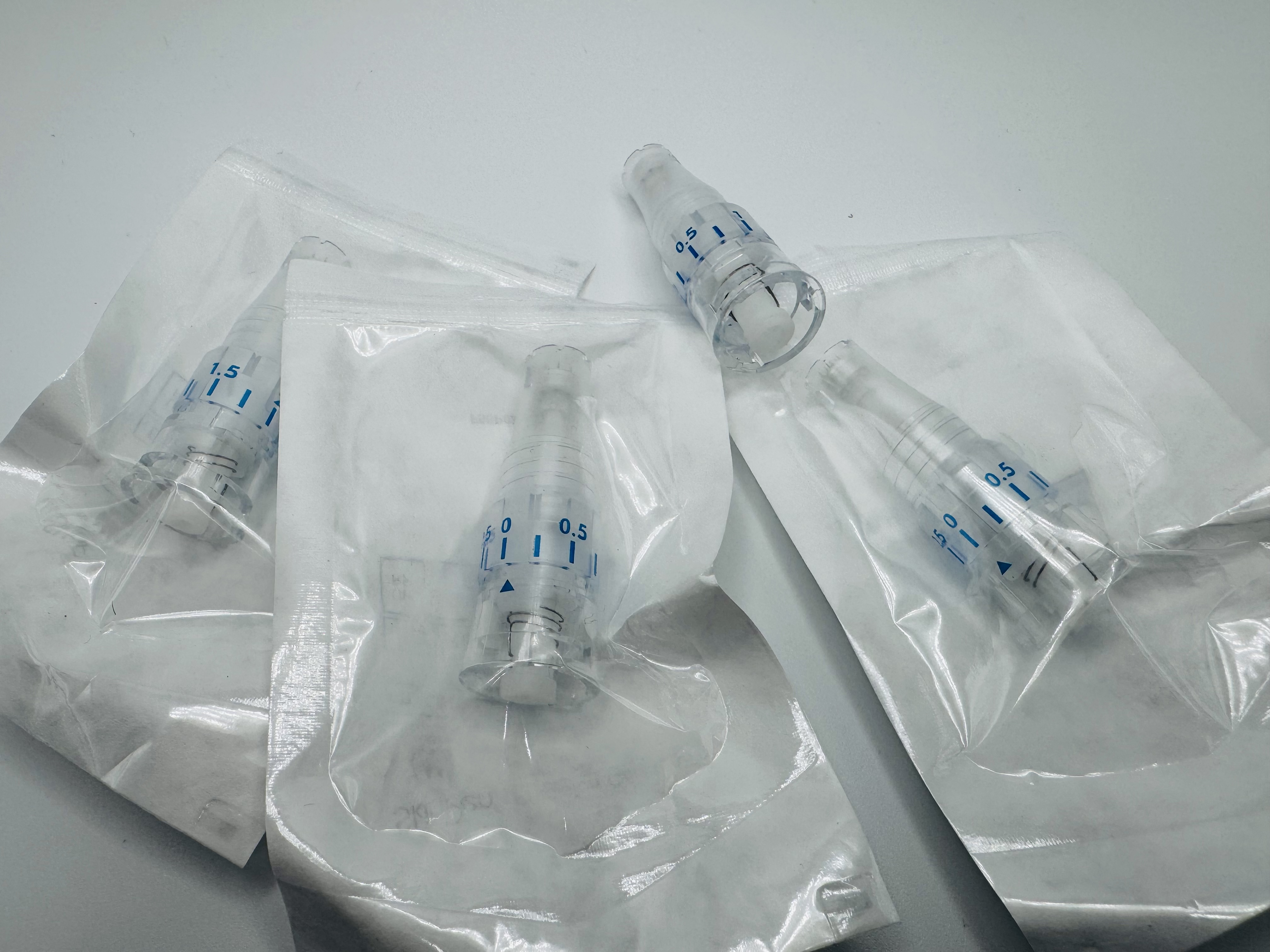
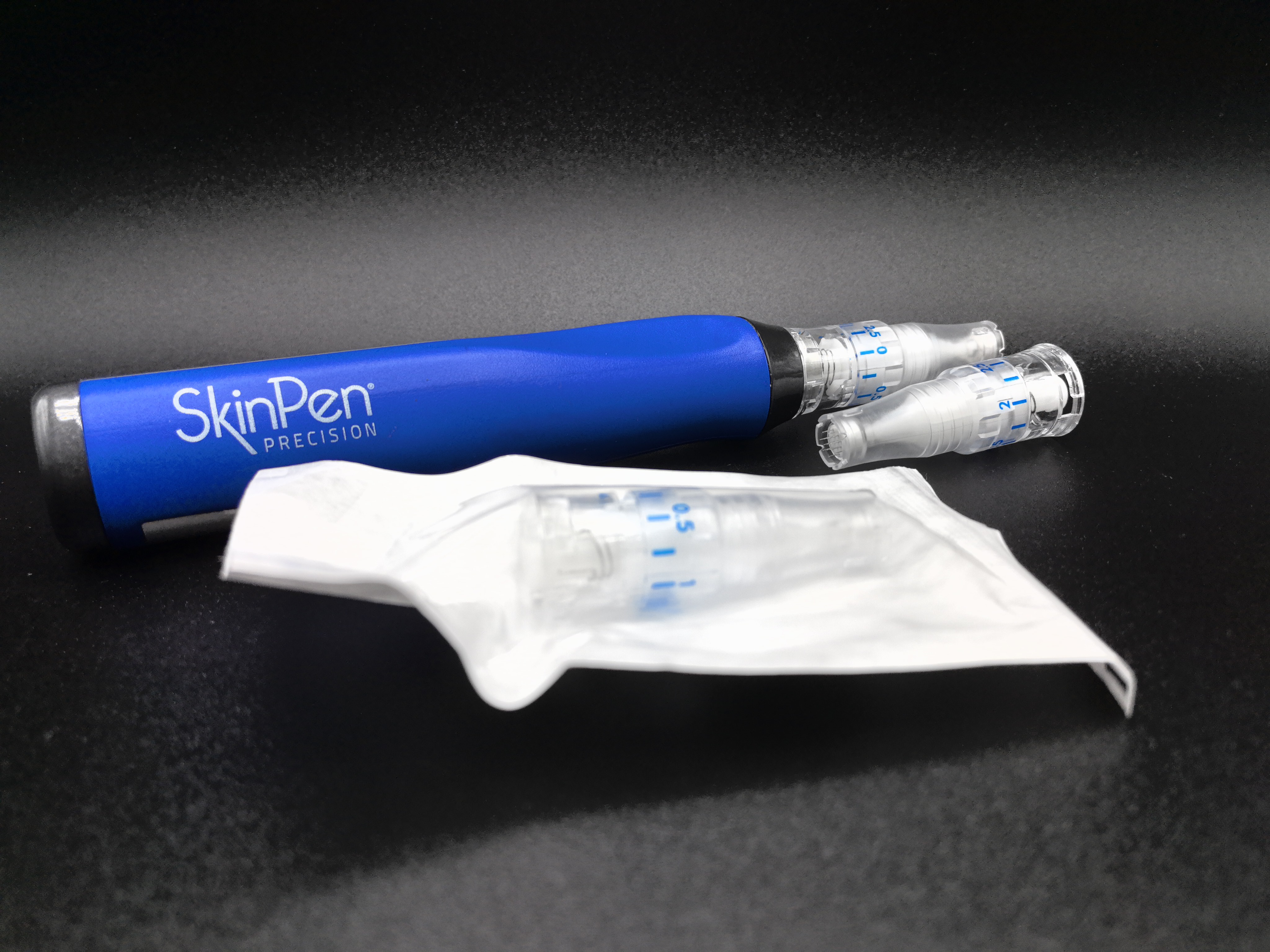
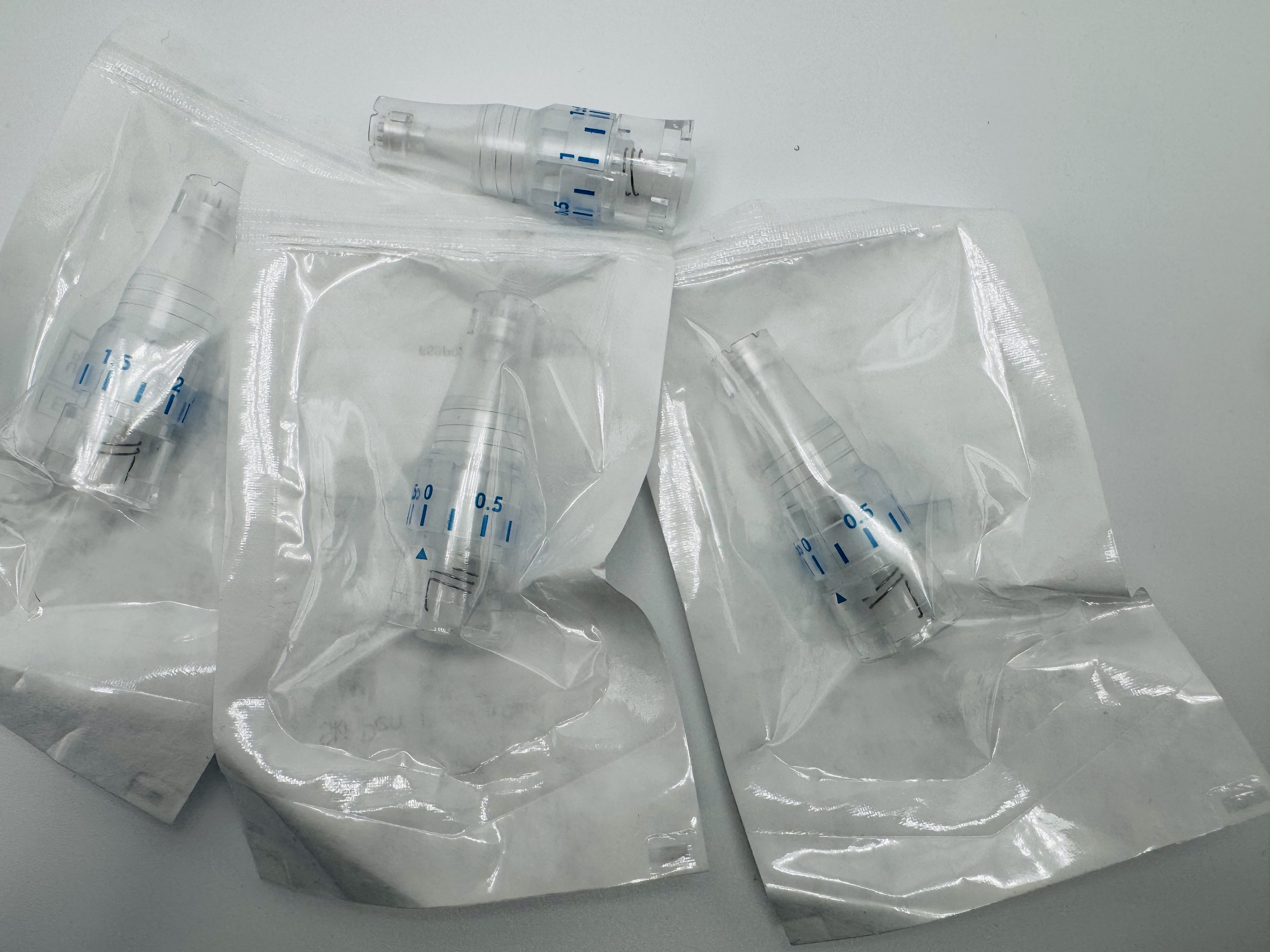
Maintenance and Replacement Parts: Regular maintenance is essential for longevity. Additionally, inquire about the availability and cost of replacement parts, such as cartridges or batteries, which will affect long-term costs. 

Market Demand and Competition: Changes in market demand can affect pricing. Understanding local competition and patient preferences can help determine the most competitive pricing strategy. 

By considering these factors, businesses can make informed decisions that align with their budget and operational needs.

Common Issues in Microneedling and Their Effective Solutions

Common Issues in Microneedling and Their Effective Solutions

While microneedling is generally safe, practitioners may encounter several common issues. Understanding these can help prevent complications: 

Skin Irritation and Sensitivity: Post-treatment redness and irritation are common. To mitigate this, practitioners should ensure that the device settings are appropriate for the patient's skin type and condition. Pre- and post-treatment care instructions are also crucial for patient satisfaction. 

Inconsistent Results: Variations in technique can lead to inconsistent results. Providing adequate training for all practitioners can help standardize techniques, ensuring each treatment achieves the desired outcome. 

Infection Risks: Infection can occur if devices are not properly sterilized. Ensuring that all equipment is cleaned and disinfected according to industry standards can significantly reduce this risk. 

Patient Compliance: Patients may not follow aftercare instructions, leading to suboptimal results. Educating patients about the importance of post-treatment care can help improve outcomes and client satisfaction. 

Equipment Malfunctions: Issues such as motor failure or needle damage can disrupt treatments. Regular maintenance checks and having backup devices can minimize downtime in the practice. 

By proactively addressing these common issues, practitioners can enhance the effectiveness of scarlet srf microneedling and maintain client trust.

Applications of Skin Pen Microneedling in Various Industries

The versatility of microneedling devices allows them to be utilized in various sectors beyond traditional beauty treatments: 

Medical Aesthetics: In dermatology and cosmetic surgery, microneedling is used for scar reduction, anti-aging treatments, and improving skin texture. Its ability to stimulate collagen production makes it a sought-after procedure. 

Hair Restoration: Microneedling is also used in hair restoration therapies. By creating micro-injuries in the scalp, it can stimulate hair follicles and improve hair growth, making it popular in trichology. 

Veterinary Medicine: Some veterinary practices have begun using skin pen microneedling price for skin conditions in pets, showcasing the technique's adaptability across different fields. 

Wellness Industry: Wellness centers may incorporate skin pen microneedling price into holistic treatments, combining it with serums and other therapies to enhance overall skin health. 

Research and Development: Companies involved in skincare product development use skin pen microneedling price for testing product efficacy, allowing them to assess how well new formulations penetrate the skin. 

By understanding these diverse applications, businesses can better market their skin pen microneedling price services and explore new revenue streams. 

In summary, investing in fractional radiofrequency microneedling involves careful consideration of specifications, pricing structures, common issues, and applications across various industries. By arming themselves with this knowledge, purchasing managers, distributors, and other professionals can make informed decisions that align with their operational goals and enhance their service offerings.

Key Specifications

When considering Medi skin pen microneedling devices, several key specifications should be evaluated to ensure optimal performance: 

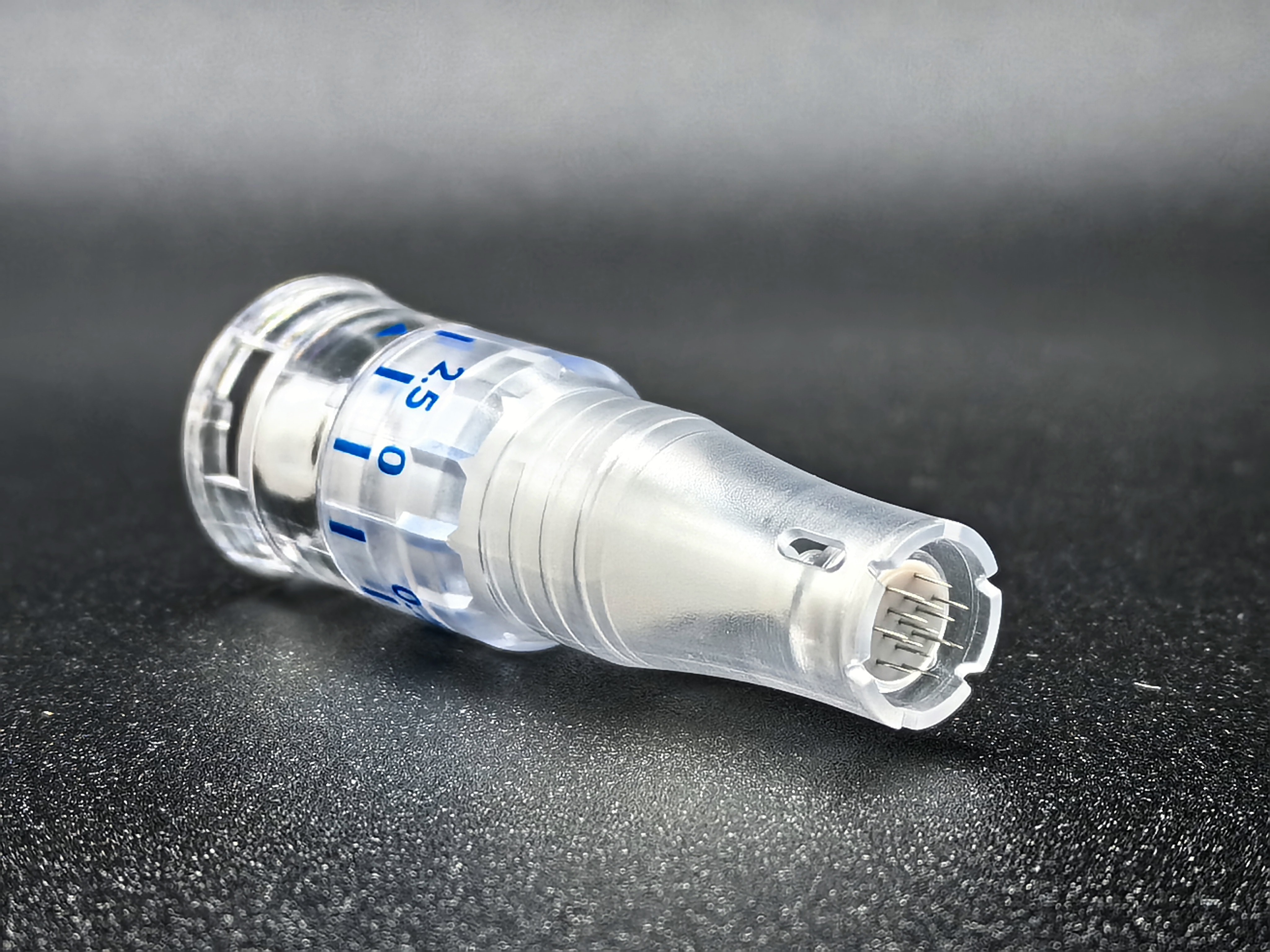
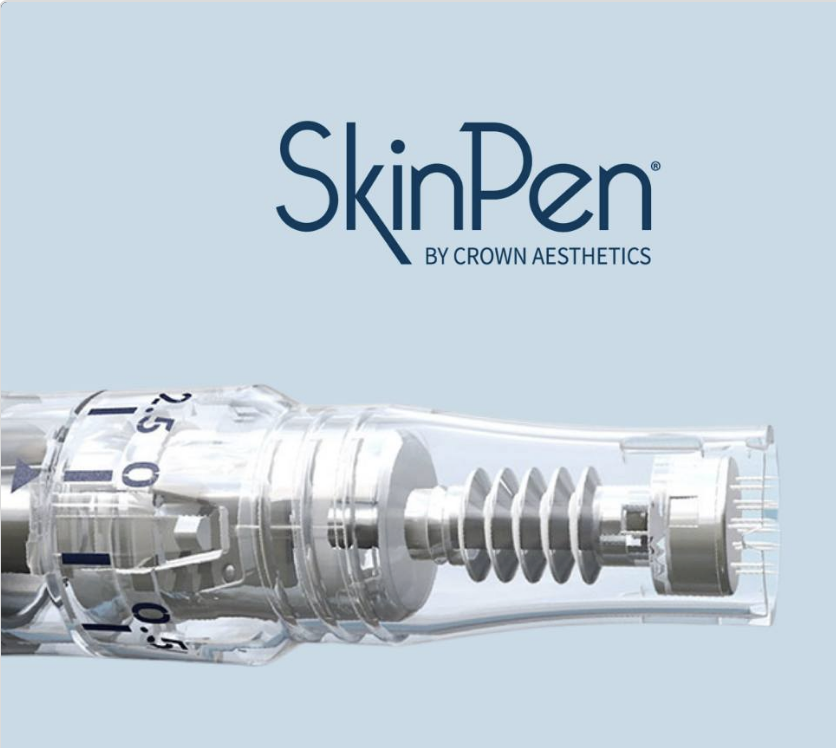
Needle Depth and Type: Microneedling devices typically offer adjustable needle depths, ranging from 0.25mm to 3.0mm, depending on the desired treatment. Different needle types, such as stainless steel or ceramic, can also affect the treatment's effectiveness and patient comfort. 

Motor Speed and Power: The motor speed, usually measured in strokes per minute (SPM), influences the device's efficiency. A higher SPM can lead to quicker treatments and potentially better results, but it should be balanced with user control to avoid skin damage. 

Ergonomics and Design: A well-designed microneedling pen should be lightweight and easy to handle. This is crucial for practitioners who may perform multiple treatments in a day, as comfort can affect the precision of the procedure. 

Device Features: Some advanced devices may include features like adjustable speed settings, vibration functions, or integrated LED lights for enhanced visibility during treatments. These options can improve both the user experience and treatment outcomes. 

Safety Certifications: Ensure that the device is certified by relevant bodies such as FDA 510K, MDSAP, and ISO 13485.  These certifications indicate compliance with safety standards, which is vital for both practitioner and patient safety. 

Understanding these specifications will help buyers select a device that best fits their needs while ensuring quality and efficacy.

Get a Free Quote

Our representative will contact you soon.
Email
Mobile/WhatsApp
Name
Company Name
Message
0/1000