Quality Evaluation of Vivace RF Cartridges

All Categories

Vivace

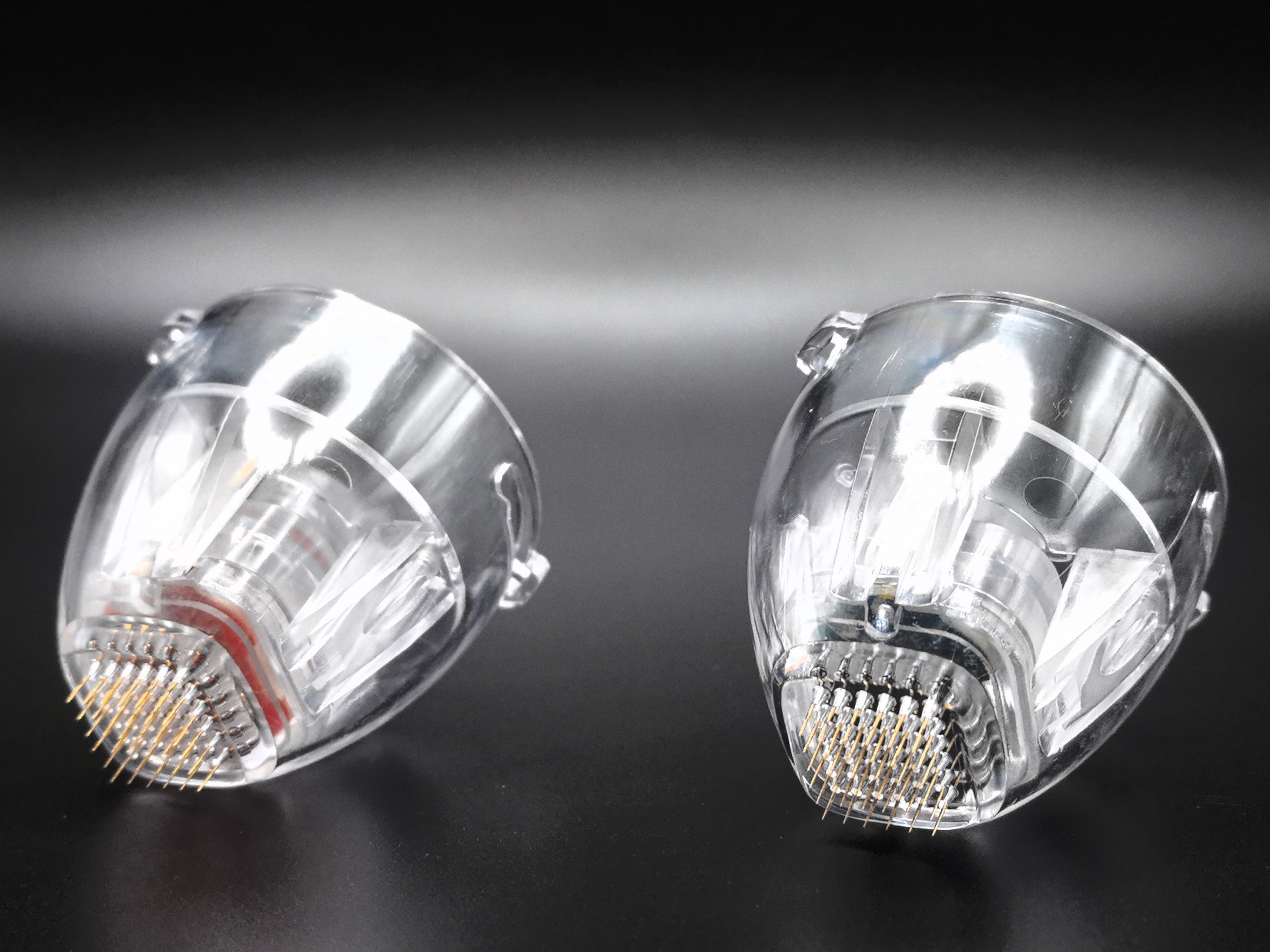
As a professional in the manufacturing and medical technology sector, understanding the intricacies of microneedling RF cartridges, particularly those branded under Vivace, is crucial for B2B buyers. The Vivace RF cartridges are renowned for their advanced technology, aimed at enhancing skin rejuvenation and other aesthetic applications. This article addresses key buyer concerns such as Medi ellisys plus quality, installation challenges, and applications across various industries, providing a comprehensive guide to help you make informed purchasing decisions. 
Our Products

Evaluating the Quality Control Measures for Vivace Products

Evaluating the Quality Control Measures for Vivace Products

Quality control is paramount in the production of medical devices, and Vivace products are no exception. A robust quality management system, such as that outlined in ISO 13485, involves multiple stages of inspection—from raw material sourcing to final product testing. Buyers should inquire about the specific quality control measures in place, such as: 

Incoming Material Inspection: Confirm that all materials undergo rigorous testing to meet predefined specifications before they enter production. 

In-Process Monitoring: Assess whether the manufacturer implements in-process checks at various stages of Medi fractionated rf production to detect any deviations from quality standards early. 

Final Product Testing: Verify that finished products are subjected to performance tests that ensure they meet the expected standards for safety and efficacy. 

Understanding these quality control processes will help you gauge the reliability of the Vivace RF cartridges and ensure that they meet your business's high standards. 
Common Installation Challenges with Vivace Devices and Their Solutions

Common Installation Challenges with Vivace Devices and Their Solutions

While Vivace devices are designed for ease of use, buyers may encounter installation challenges that can hinder initial operations. Here are some common issues and their solutions: 

Compatibility Issues: Ensure that the Vivace device is compatible with the existing equipment in your facility. Check technical specifications and consult with the supplier if necessary. Compatibility can impact performance and lead to equipment malfunctions. 

User Training: Improper installation can result from a lack of user knowledge. Providing comprehensive training for operators can mitigate this risk. Suppliers often offer training sessions or detailed user manuals, which can be invaluable resources. 

Alignment and Calibration: Misalignment during installation can affect treatment outcomes. Follow installation guides carefully and perform calibration checks as recommended by the manufacturer to ensure optimal performance. 

By addressing these common challenges proactively, you can enhance operational efficiency and reduce downtime. 

Applications of Vivace Microneedling Technology in Various Industries

Applications of Vivace Microneedling Technology in Various Industries

Vivace microneedling technology has diverse applications across several sectors, including aesthetic medicine, dermatology, and even some areas of physical therapy. In aesthetic medicine, the primary use is for skin rejuvenation, scar reduction, and wrinkle treatment. The precision of Vivace devices allows for tailored treatments that can address specific skin concerns effectively. 

In dermatology, the technology is also utilized to enhance the absorption of topical treatments, improving their efficacy. This dual application not only broadens the market potential for Vivace products but also allows practitioners to offer a comprehensive suite of services. 

Moreover, some innovative uses of microneedling technology include its application in hair restoration therapies, where it can stimulate hair follicles and promote hair growth. Understanding these applications can help purchasing managers identify potential markets and customer needs when considering Vivace products. 

How to Address Common Buyer Concerns About Vivace Devices

When considering the purchase of Vivace devices, buyers often have specific concerns that need addressing. Here are some common issues and how to approach them: 

Pricing: Understand the factors that impact pricing, such as material costs, manufacturing processes, and the level of customization required. Request detailed quotes from Medi fractional microneedling suppliers that break down these costs to facilitate comparison. 

Lead Time: Confirm the production lead time and shipping duration to ensure that your supply chain remains uninterrupted. Manufacturers with established logistics and distribution channels can often provide quicker turnaround times. 

Customization Options: Many buyers seek specific features or configurations. Discuss your requirements with the manufacturer early in the purchasing process to explore available customization options. 

After-Sales Support: Inquire about warranty terms and after-sales support. Reliable manufacturers should offer assistance in case of product defects or operational issues, ensuring that you have recourse if problems arise. 

By proactively addressing these concerns, you can streamline your purchasing process and foster a productive relationship with suppliers. 

By understanding these aspects of Vivace RF cartridges and devices, B2B buyers can make informed decisions that enhance their operations and meet their specific needs. 

How to Compare Quality of Vivace RF Cartridges for Your Business

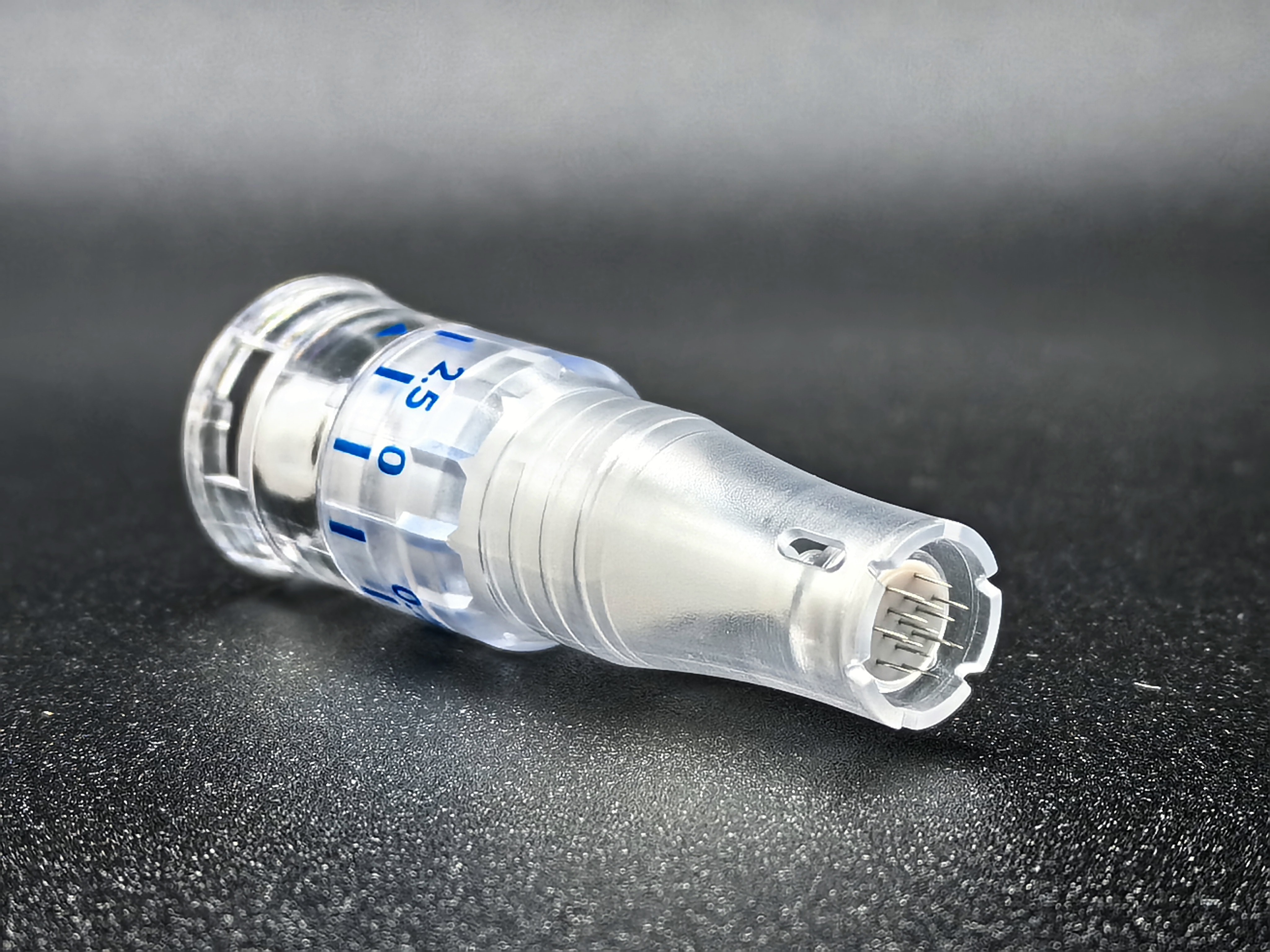
When assessing the quality of Vivace RF cartridges, consider several critical factors. First, evaluate the materials used in the cartridges. High-grade materials not only ensure durability but also affect the overall performance of the microneedling process. Look for cartridges that utilize medical-grade stainless steel and silicone, as these materials offer the necessary biocompatibility and resistance to corrosion. 

Next, investigate the manufacturing process. Companies like Guangzhou Medi Technology Co., Ltd., with over 15 years of experience and certifications such as FDA 510K and ISO 13485, are more likely to produce reliable products. Their adherence to stringent quality control measures during production can significantly influence the product's consistency and performance. Additionally, there are some creative ways Vivace products are used with microneedling technology including in hair restoration treatments to encourage hair follicle stimulation and hair growth. This information can assist purchasing managers in determining markets for services that could use a Vivace product. 

Finally, consider the specifications of the cartridges, such as needle length and configuration. Different applications may require varying specifications, and understanding these nuances will help you choose the right cartridges for your business needs. 

Frequently Asked Questions

What is Vivace and its primary use?

Vivace is a medical-grade microneedling RF device designed for skin rejuvenation, improving texture, tightening, and reducing scars and wrinkles using advanced microneedle RF technology.
Yes. Vivace is produced by a certified manufacturer with FDA 510(k), MDSAP, and ISO 13485 compliance, ensuring medical-grade safety and quality.
Yes. We provide OEM and ODM services for Vivace, offering customization, branding, and integration to meet clinical and business requirements.
We provide professional training, technical documentation, and ongoing technical support to ensure safe, effective clinical use and optimal outcomes.
Vivace comes with manufacturer-backed quality assurance, production traceability, and a warranty. Detailed terms are provided on purchase and during OEM/ODM agreements.

Get a Free Quote

Our representative will contact you soon.
Email
Mobile/WhatsApp
Name
Company Name
Message
0/1000