EN
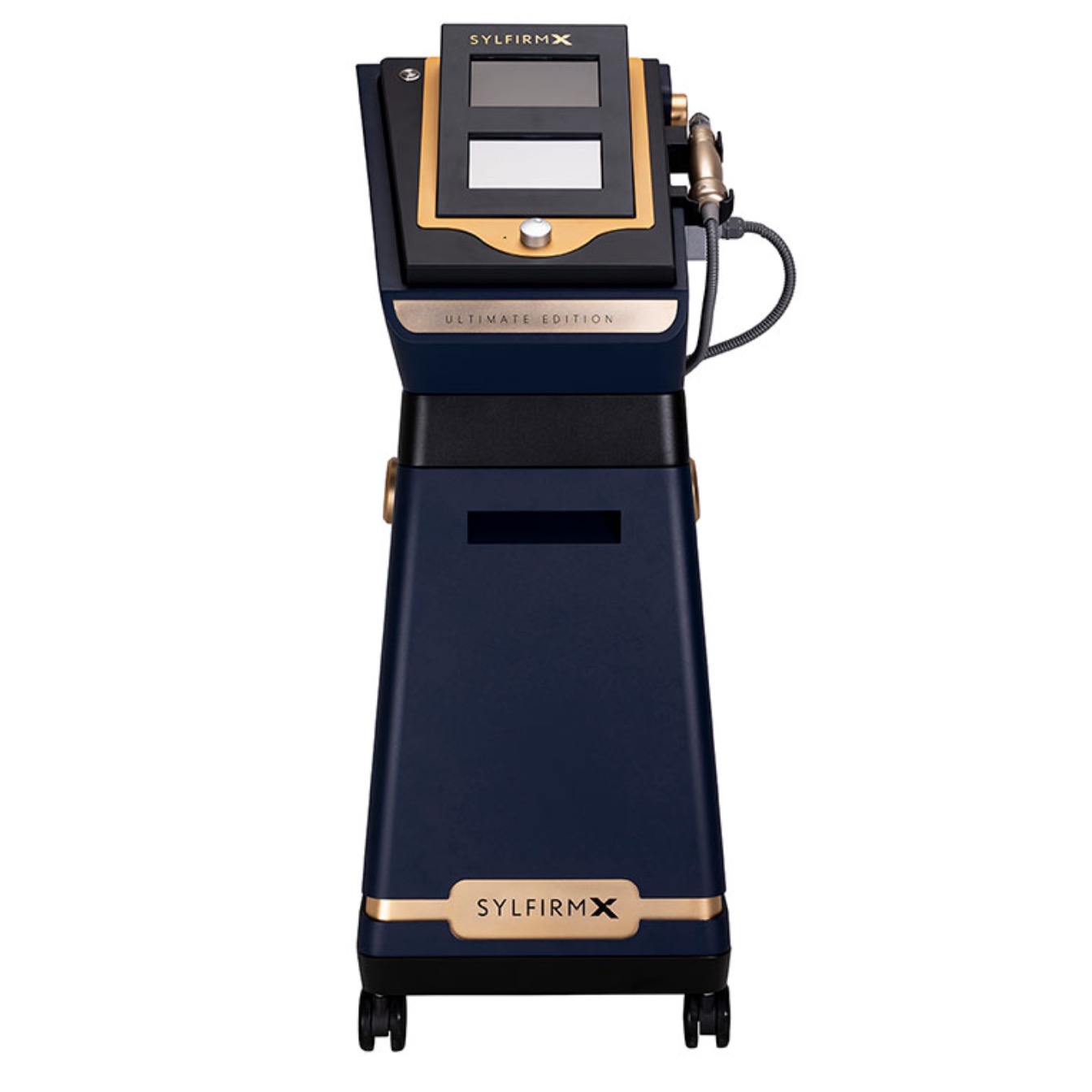
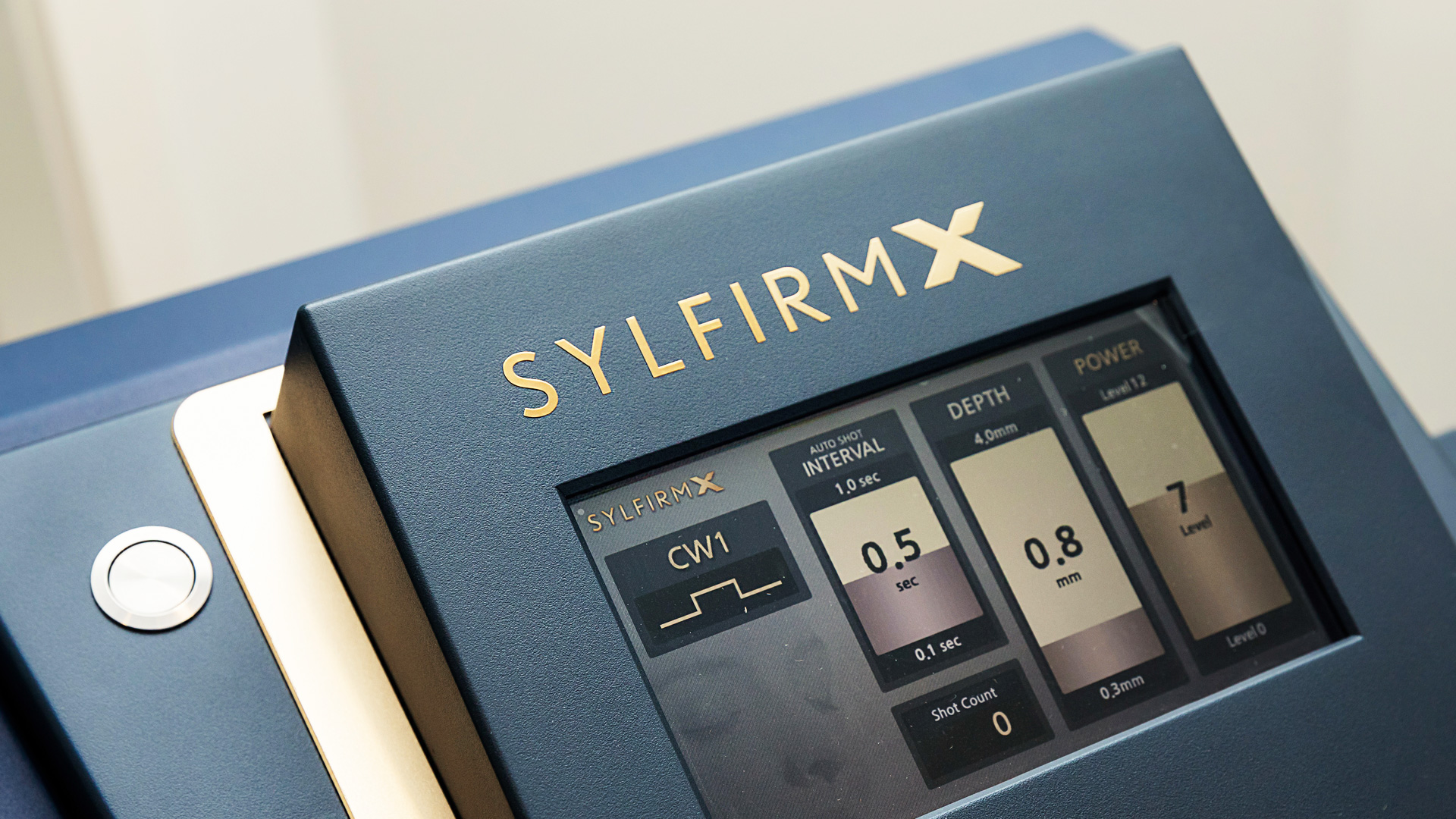
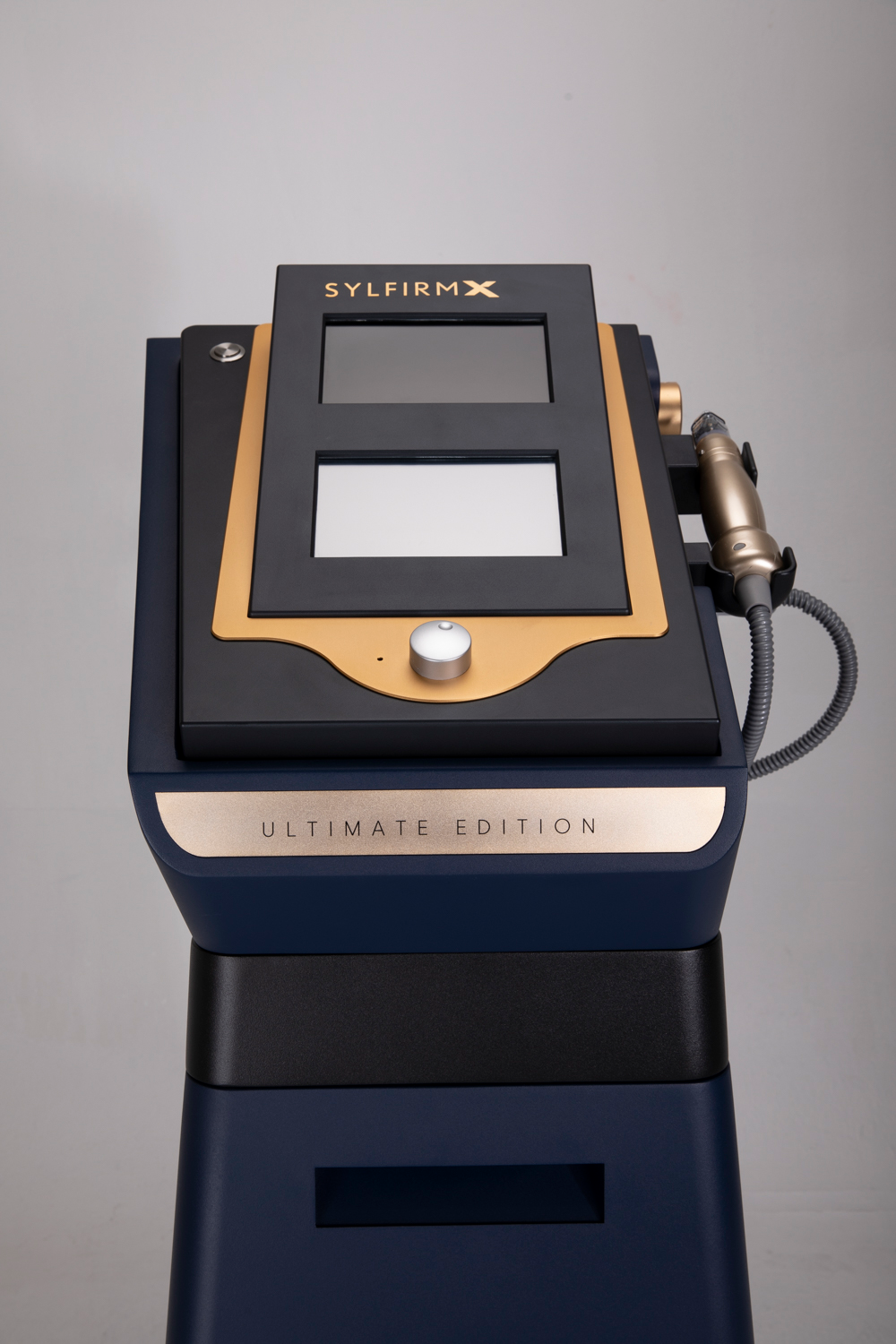
Microneedling has emerged as a revolutionary technique in the aesthetic and medical fields, offering a minimally invasive solution for skin rejuvenation and various skin conditions. At the forefront of this technology are devices like the sylfirm, designed for precision and efficacy. For B2B buyers such as purchasing managers, distributors, and medical professionals, understanding the key specifications, manufacturing standards, and cost factors associated with microneedling equipment is essential for making informed purchasing decisions. This scarlet treatment for face microneedling solutions article will delve into these aspects, providing the insights necessary to navigate the sourcing process effectively.


Microneedling Devices and Their Standards
Microneedling devices, including the sylfirm, must adhere to strict industry standards to ensure safety and effectiveness. The FDA 510K certification signifies that the device has been reviewed and cleared for specific uses, demonstrating that it is safe and effective for consumer use. Compliance with ISO 13485 indicates that the manufacturing process meets international quality management system standards for medical devices, which is crucial for maintaining consistent quality.
In addition to these certifications, microneedling devices should also undergo rigorous quality control processes during production. This scarlet rf machine includes inspections at various stages of manufacturing, from raw materials to finished products, to ensure that each device meets established specifications and performance criteria. Understanding these standards can help buyers assess the reliability of their suppliers and the quality of the microneedling equipment they intend to purchase.