EN
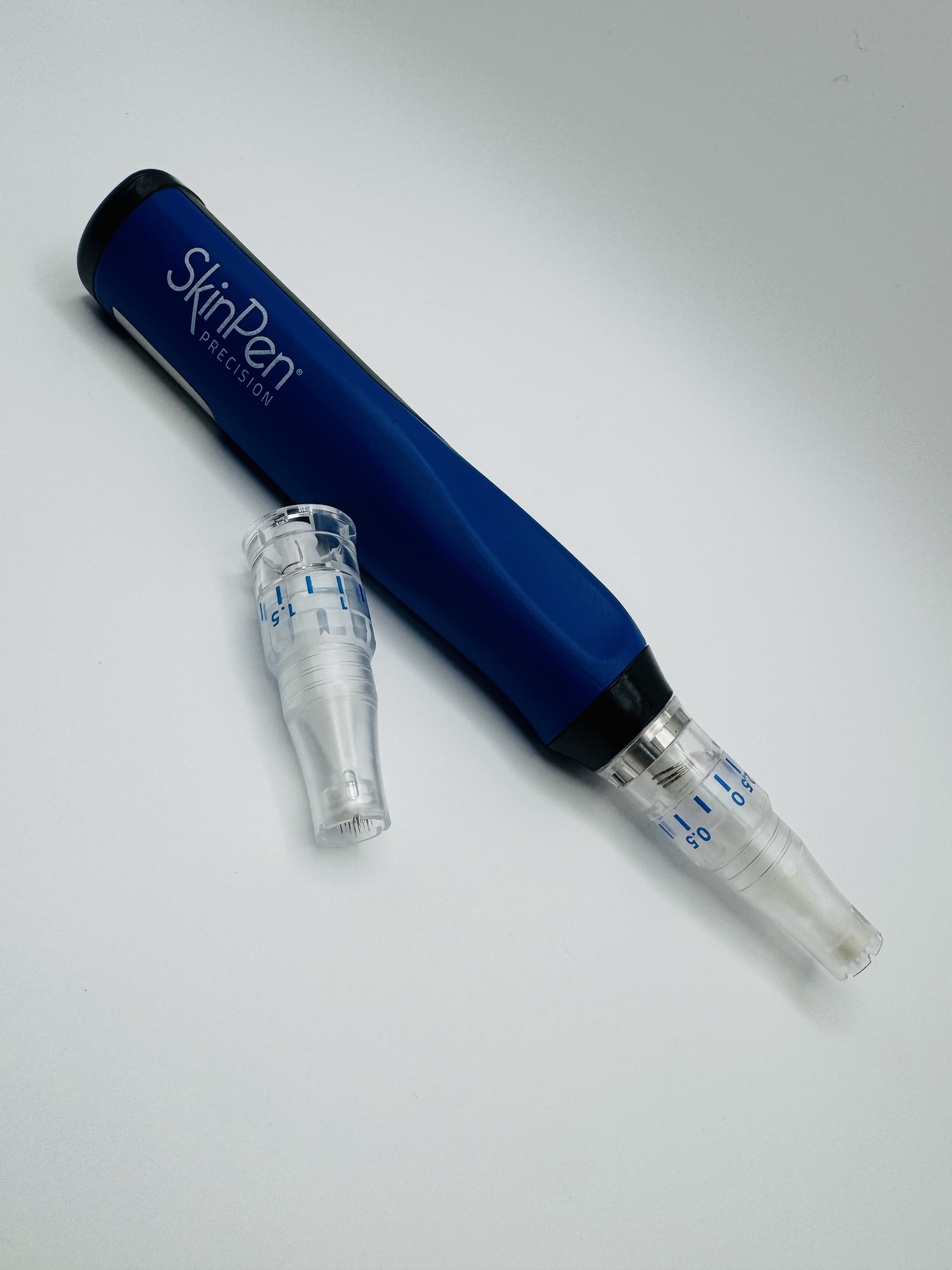
Skin pen needling, also known as microneedling, is an advanced cosmetic procedure that utilizes a device equipped with fine needles to create micro-injuries in the skin. This process stimulates collagen production and enhances skin rejuvenation, making it a popular choice among dermatologists and aesthetic clinics. As a B2B buyer in this space, the skin pen price concerns often revolve around product quality, regulatory compliance, cost-effectiveness, and the skin pen needling overall efficacy of the equipment. This article will help you navigate the essential aspects of skin pen needling equipment, providing insights into specifications, best practices, and sourcing reliable products.


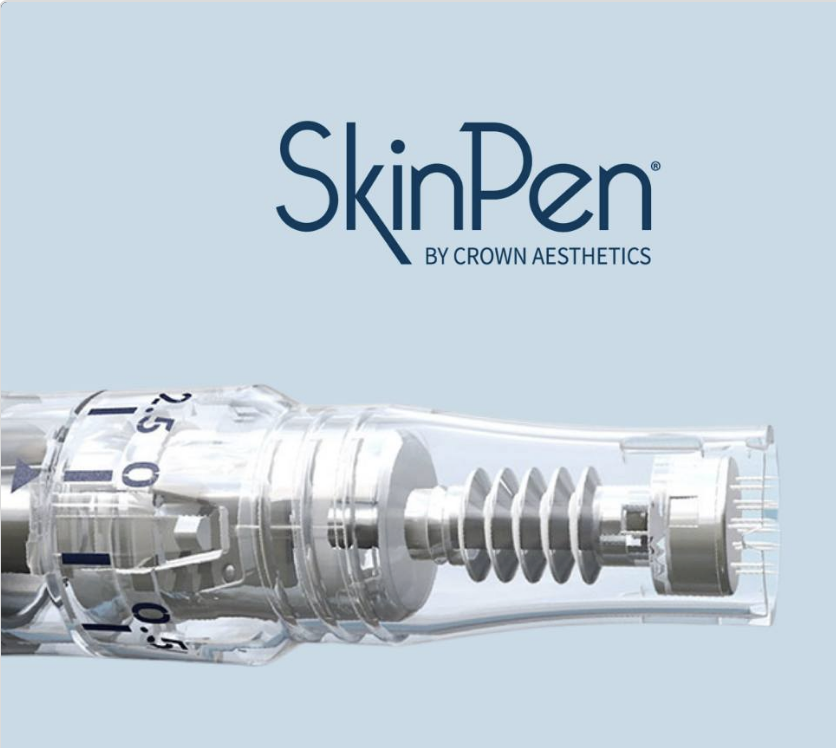


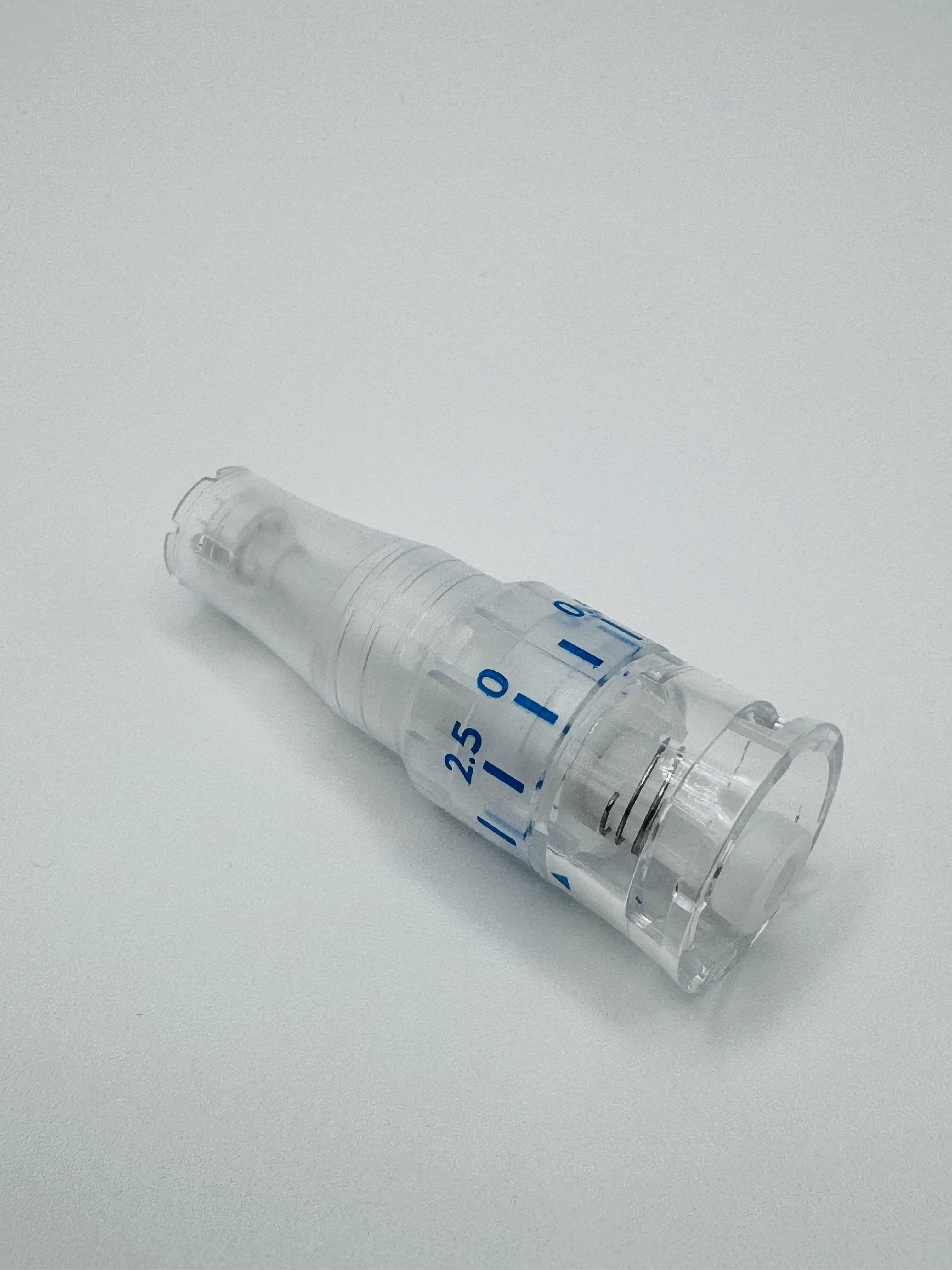
Cost-Effectiveness in Skin Pen Needling Supplies
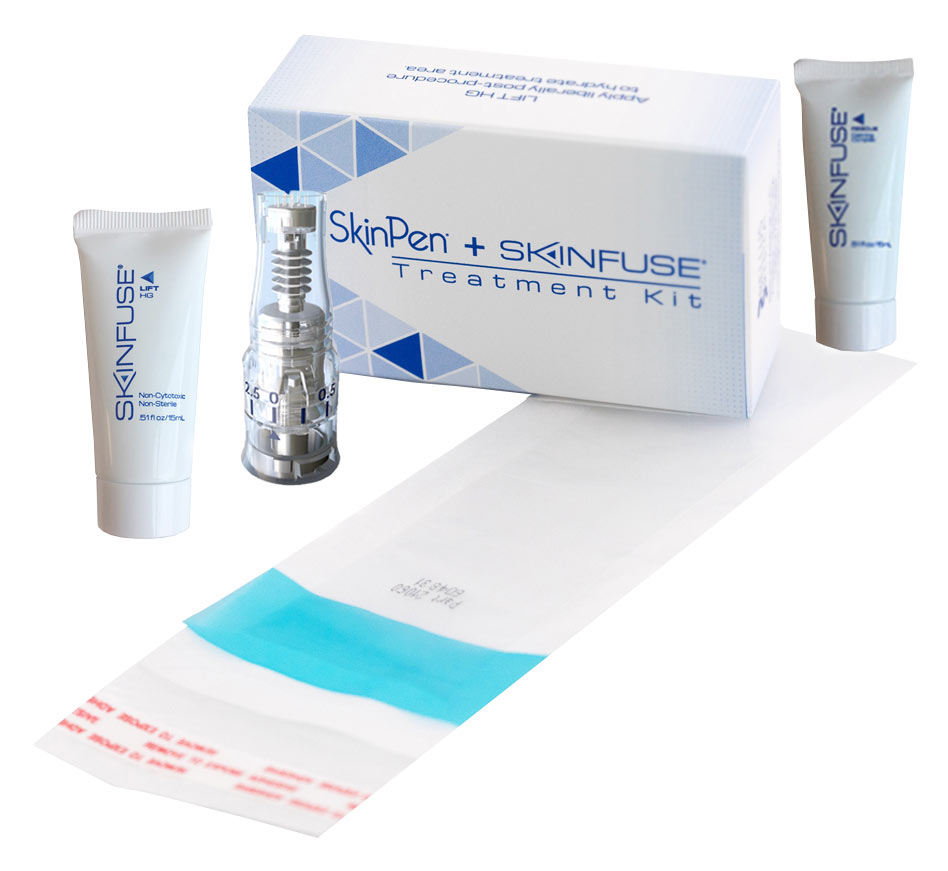
Cost-effectiveness is a crucial factor in purchasing skin pen needling supplies. While initial costs may appear higher for certain brands, consider the total cost of ownership, which includes replacement needles, maintenance, and potential downtime.
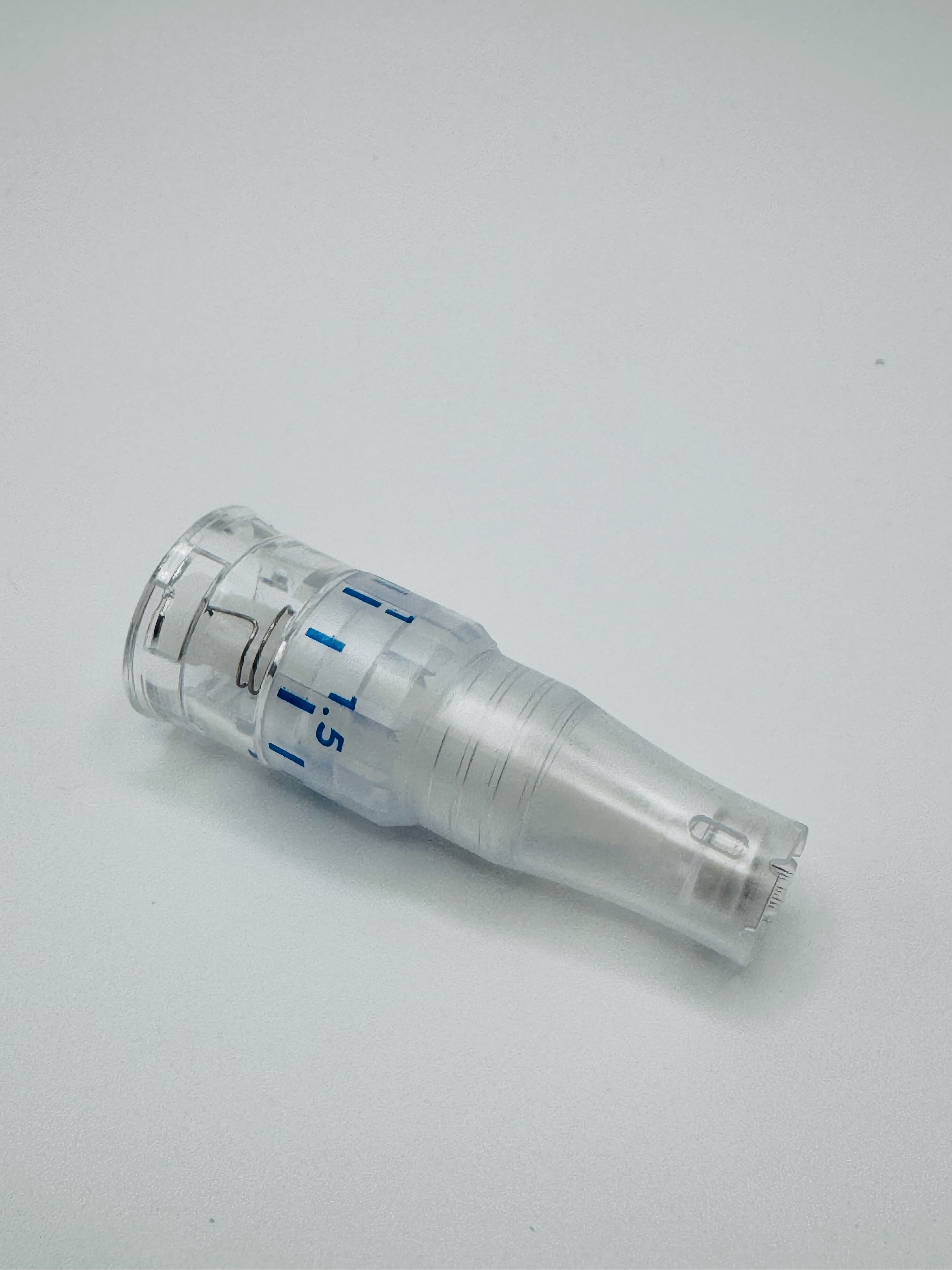
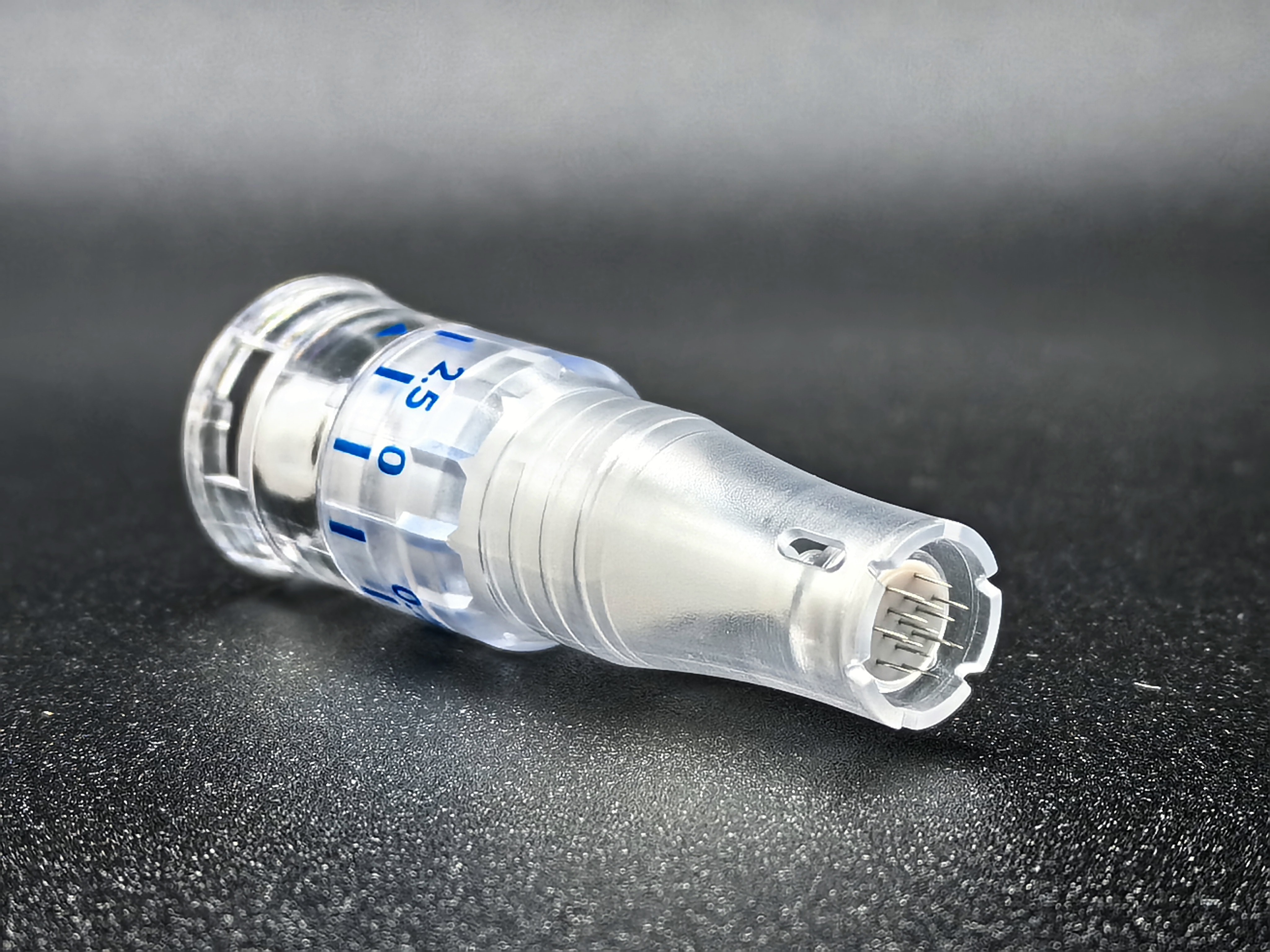
Needle Replacement Costs: Devices typically require needle cartridge replacements after a certain number of treatments. Investigate the cost per treatment and the frequency of replacements to ascertain long-term expenses.
Durability and Warranty: A higher upfront investment in a more durable device may prove cost-effective over time. Check warranty terms to ensure you are protected against manufacturing defects.
Training and Support: Some manufacturers offer training and ongoing support, which can enhance the skin pen needling efficacy of your treatments and reduce the learning curve for new operators. This added value can offset initial equipment costs.
Bulk Purchase Discounts: If you're sourcing supplies for a larger clinic, inquire about bulk purchase discounts for needle cartridges or the devices themselves to optimize your budget.
By assessing these factors, you can make informed decisions that align with your financial goals while maintaining high treatment standards.