EN
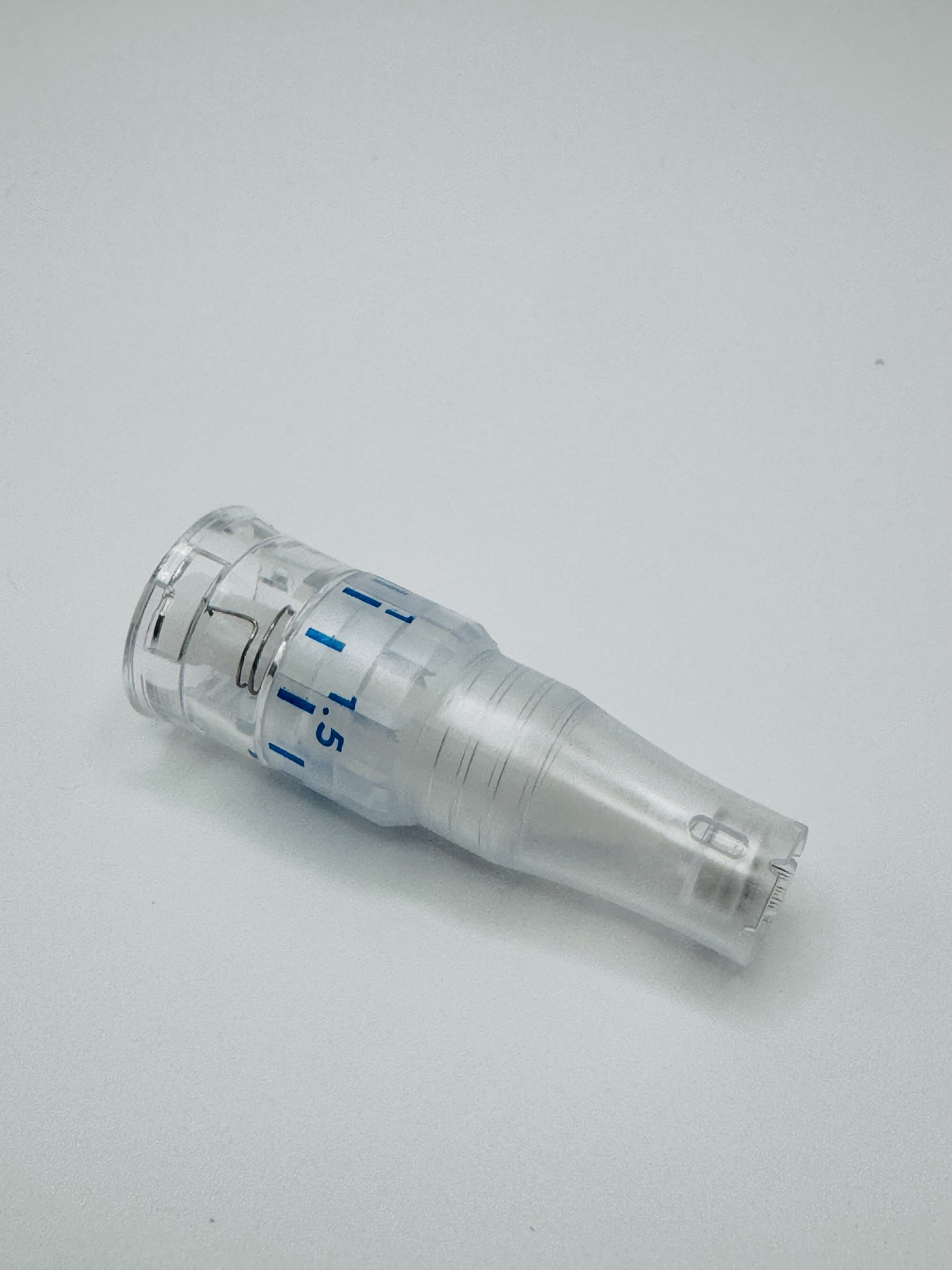
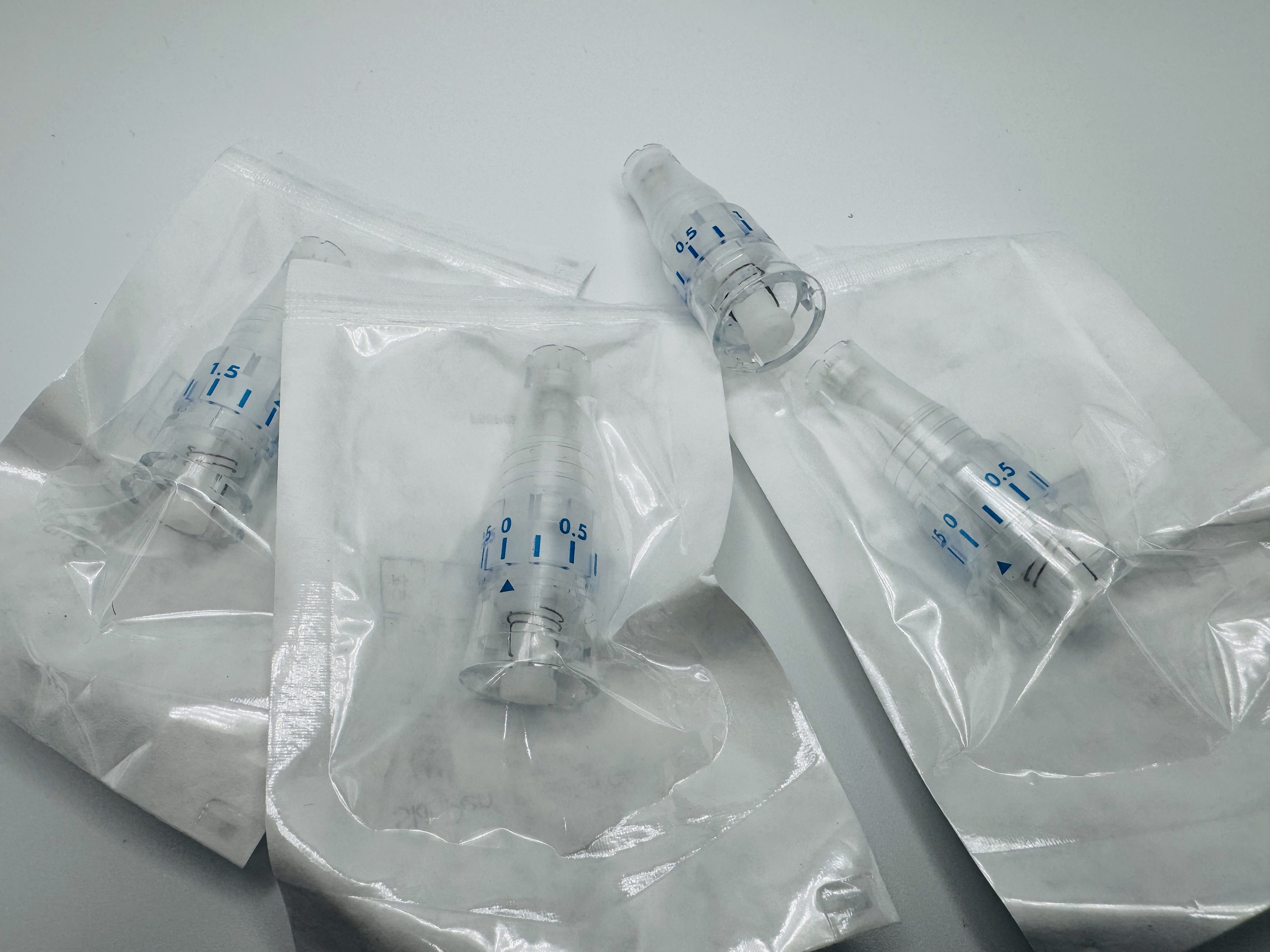
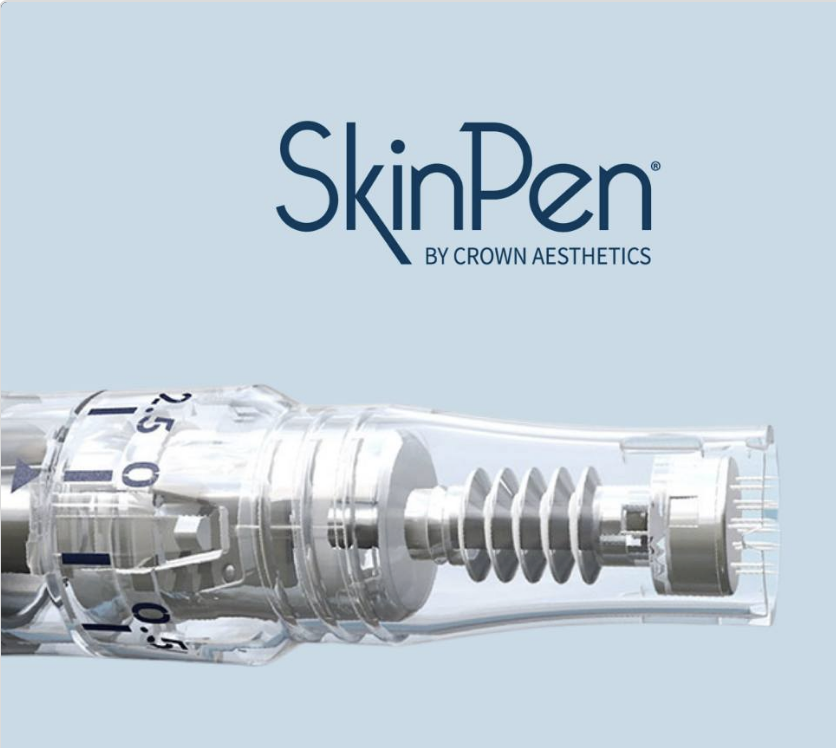
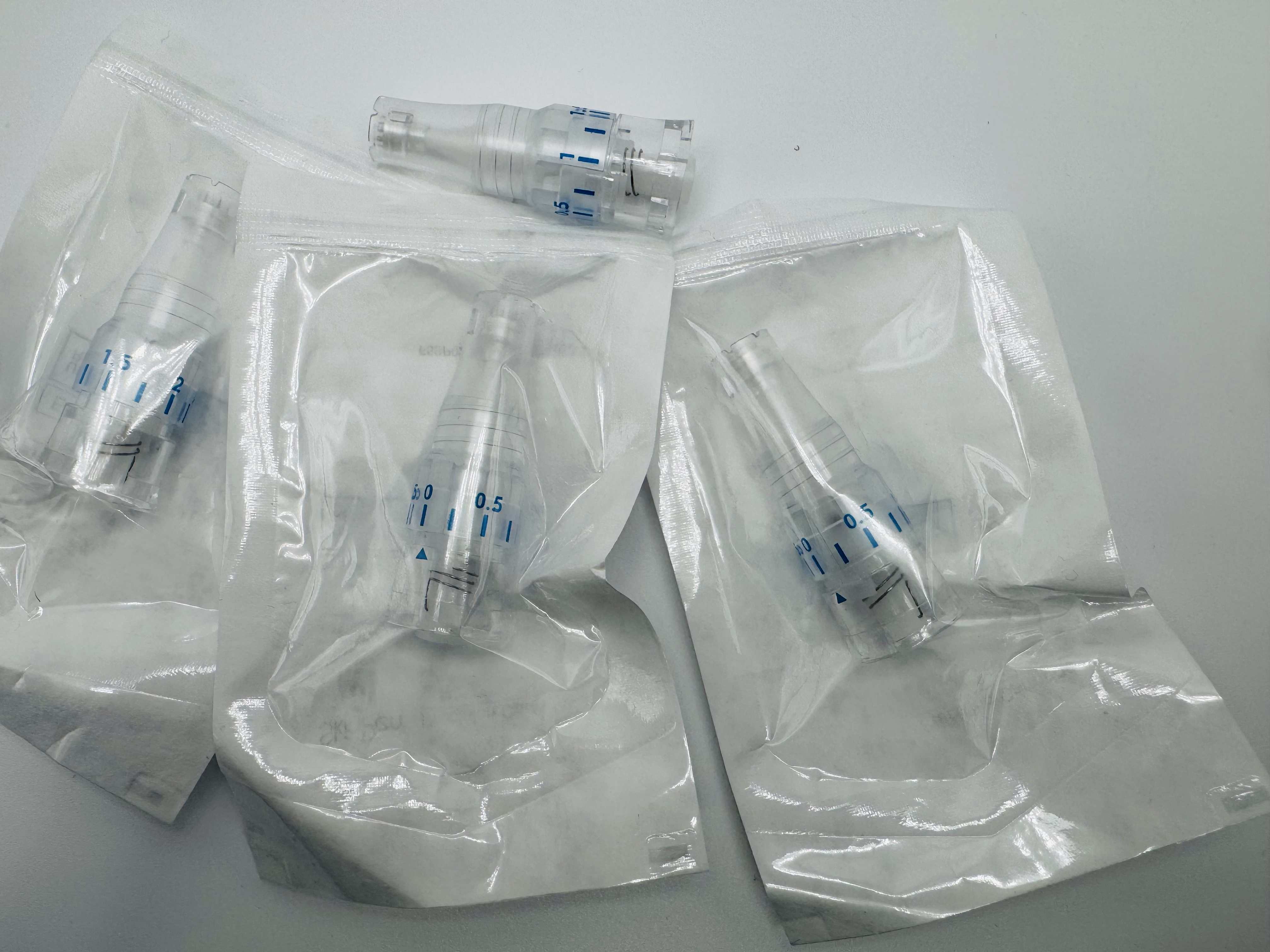
Skin pen cartridges are precision-engineered components used in advanced microneedling devices for aesthetic and medical treatments. They play a crucial role in delivering controlled micro-injuries to the skin, promoting collagen production and enhancing the absorption of topical products. As a B2B buyer, you may have concerns about the quality, compatibility, and application of these cartridges. This article will provide insights into finding reliable suppliers, understanding technical specifications, addressing common installation issues, exploring applications, and selecting the right skin pen cartridge for your needs.




Key Technical Specifications for Skin Pen Cartridges Explained
Understanding the technical specifications of skin pen cartridges is crucial for ensuring optimal performance and compatibility with your microneedling devices. Key specifications include:
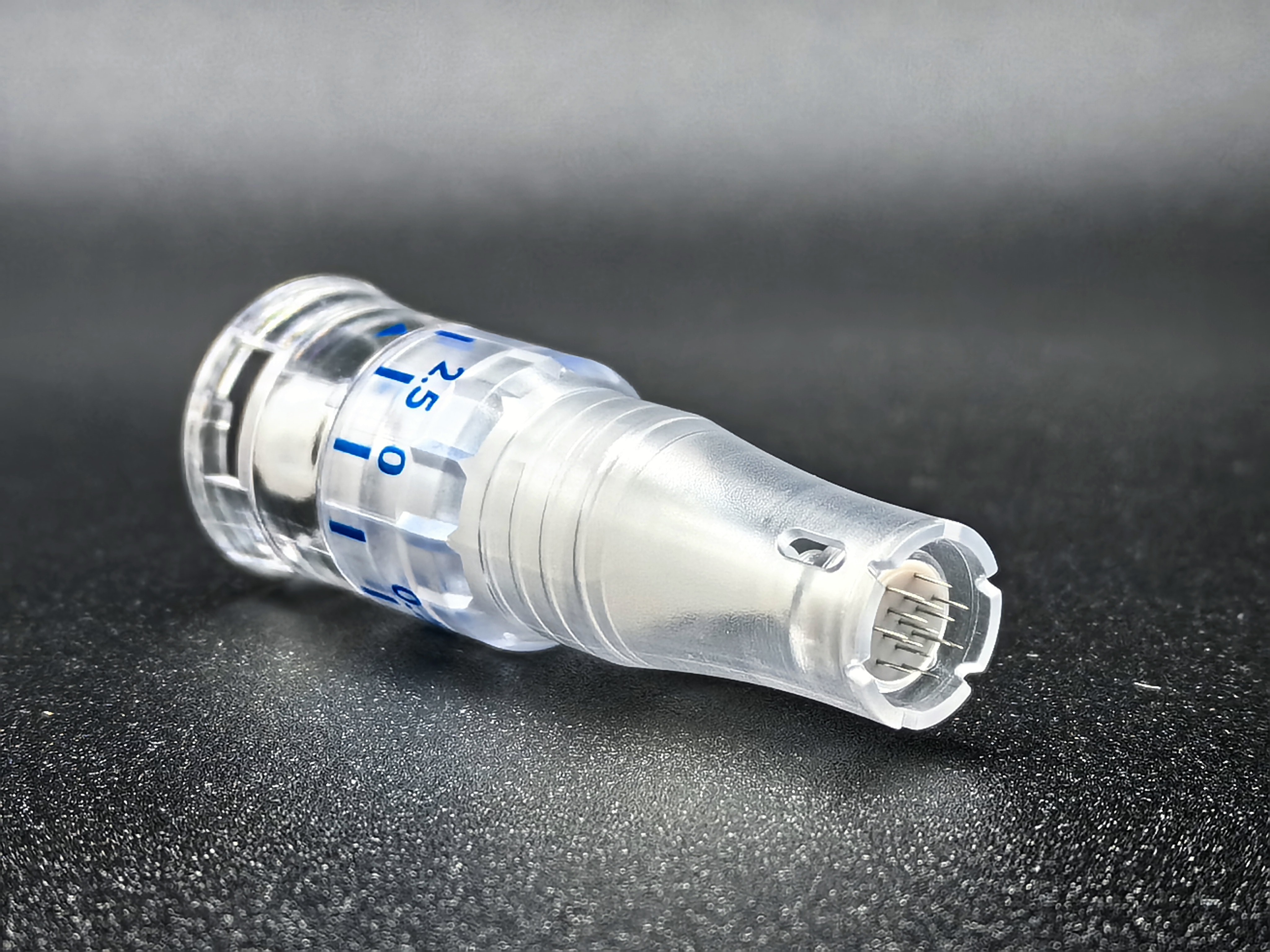
Needle Configuration: Cartridges come with different needle configurations (e.g., number of needles, needle length) depending on the treatment area and desired results. For instance, shorter needles are typically used for superficial treatments while longer needles penetrate deeper for more significant skin rejuvenation.
Material Composition: The materials used in cartridge construction affect durability and safety. Medical-grade materials, such as high-quality plastics and stainless steel, are preferred to prevent contamination and ensure patient safety.
Sterilization Method: Cartridges should be sterilized using methods compliant with medical standards. Ethylene oxide (EtO) sterilization is common and ensures that the cartridges are safe for single-use applications.
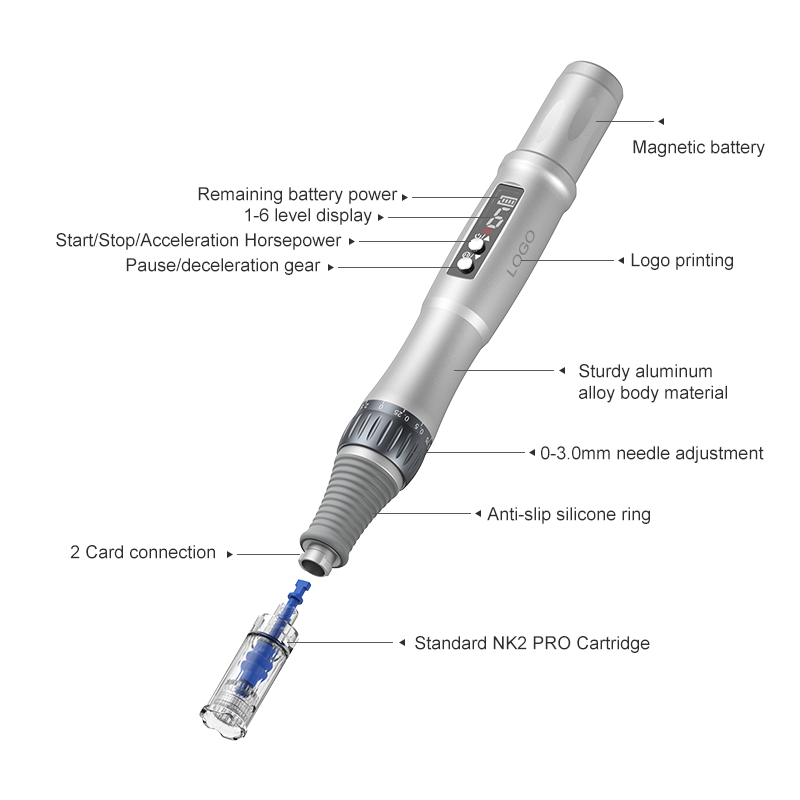
Compatibility: Ensure that the cartridges are compatible with your specific microneedling device. This can usually be confirmed through the manufacturer's specifications or by consulting with your supplier.
By confirming these specifications before placing an order, you can mitigate potential issues and ensure that the products meet your quality standards.